.svg)

- Everything You Need to Know About B2B Influencer Marketing in 2026
- What Is B2B Influencer Marketing?
- Why B2B Influencer Marketing Works in 2026
- Where to Find B2B Influencers in 2026
- How to Build a B2B Influencer Strategy
- How to Find B2B Influencers on Afluencer
- Common B2B Influencer Marketing Challenges (and How to Solve Them)
- Scaling Up: Where Influencer Hero Fits
- Final Thoughts
<div class="ih-cta"><div class="ih-cta-text"><h3 class="ih-cta-head">Top 24 Podcasting Influencers with Highly Engaging Podcasts</h3><p class="ih-cta-copy">Read More ⟶</p><a class="ih-cta-btn" href="https://afluencer.com/podcasting-influencers-with-highly-engaging-podcasts/" target="_blank">Read More ⟶</a></div><div class="ih-cta-img" style="background-image:url("https://afluencer.com/wp-content/uploads/podcasting-influencer-mic-headphones-afluencer-featured.jpg")"></div></div>@@IHCTA@@<div class="ih-cta"><div class="ih-cta-text"><h3 class="ih-cta-head">Waiting For A Special Influencer To Boost Your Marketing Campaign?</h3><p class="ih-cta-copy">Connect with the best influencers & creators online when you register with Afluencer.</p><a class="ih-cta-btn" href="https://afluencer.com/hire-top-influencers/" target="_blank">FIND INFLUENCERS</a></div><div class="ih-cta-img" style="background-image:url("https://afluencer.com/wp-content/uploads/man-sitting-diner-booth-waiting.jpg")"></div></div>
Everything You Need to Know About B2B Influencer Marketing in 2026
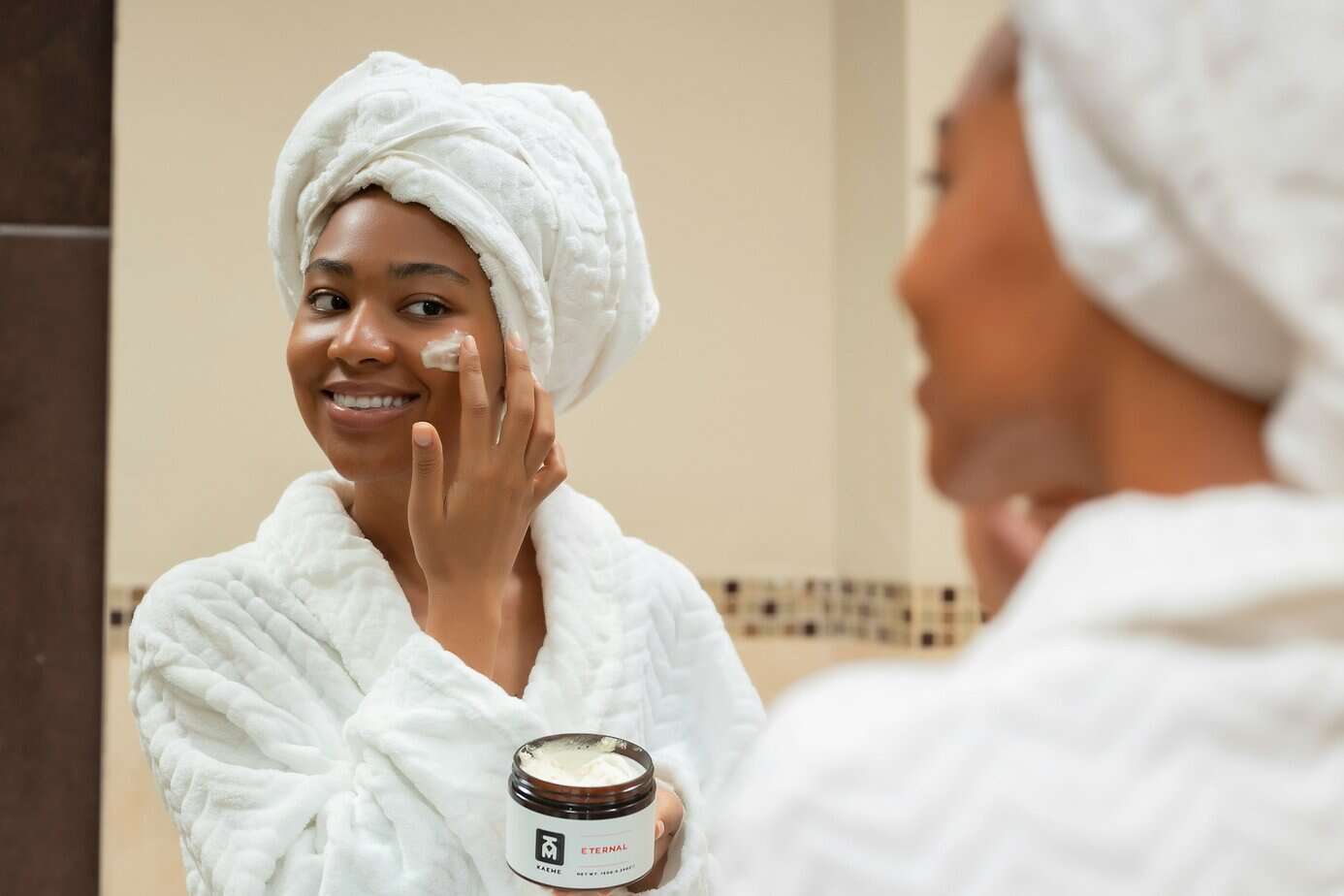
Say "influencer marketing" and most people picture a beauty creator unboxing skincare, not a software company closing enterprise deals. But B2B influencer marketing has grown up fast. As buyers spend more of their research time watching creators and reading thought leaders, more B2B brands are meeting them there.
The numbers back it up. According to LinkedIn's own benchmark data, 55% of B2B marketers already use creator or influencer marketing on LinkedIn, with another 29% planning to start within a year. B2B influencer spend on LinkedIn alone is projected to hit $2.1 billion in 2026, up 43% year over year. And 71% of B2B buyers say industry thought leaders influence their purchasing decisions.
This guide covers what B2B influencer marketing is in 2026, why it works, where to find the right creators, how to build a strategy that fits a long sales cycle, and how a platform like Afluencer makes the whole thing manageable. Let's get into it.
What Is B2B Influencer Marketing?
B2B influencer marketing is the practice of partnering with trusted voices in your industry to reach other businesses, not end consumers. Instead of a lifestyle creator promoting a product to shoppers, you might work with an analyst, a founder, a podcaster, or a LinkedIn thought leader who has the ear of the decision-makers you want to reach.
The mechanics look similar to B2C: a brand collaborates with a creator to reach a wider, relevant audience and drive action. The difference is who you are trying to reach and how they buy. B2B audiences are CEOs, managers, directors, and specialists. They are not watching haul videos. They pay attention to demos, data, case studies, expert takes, and peers they respect.
That changes the job. In B2B, reach alone is not enough. Credibility and industry expertise matter far more, because your audience can tell the difference between a real practitioner and a paid megaphone.
Why B2B Influencer Marketing Works in 2026
The core reason is simple: people trust people, especially experts. B2B buyers are wary of ads and sales pitches, but they listen to voices they already respect. That trust is why 71% of them say thought leaders shape their buying decisions.
The performance data has caught up to the intuition. Brands running B2B influencer programs are outperforming non-users by up to 39% on engagement and brand awareness, and by around 30% on revenue growth and lead generation. LinkedIn-first influencer campaigns generate roughly 3.2x more qualified leads than paid social for B2B companies. Beyond direct results, the channel delivers a few compounding benefits:
Credibility and Reach
A recommendation from a respected industry figure carries weight no banner ad can match. It puts your brand in front of a relevant audience with a built-in layer of trust.
Better SEO and Backlinks
Companies spend heavily to rank on search. Working with creators who publish on authoritative sites can earn high-quality backlinks and mentions that lift your visibility, often more efficiently than SEO spend alone.
Market Insight and Content
Good B2B influencers are experts. Partnering with them gives you a read on industry trends and competitor moves, plus a steady stream of credible content, webinars, and thought leadership you can repurpose across your channels.
Where to Find B2B Influencers in 2026
B2B influence does not only live on Instagram. The best partners are often people you would not immediately call "influencers." Here are the main types worth pursuing.
LinkedIn Creators and Social Voices
LinkedIn is the center of gravity for B2B. With 1.3 billion members and a booming creator scene, it is where founders, operators, and specialists build real audiences. A sponsored thought-leadership post from a creator with 100,000+ followers averages around 280,000 impressions and a 4.6% engagement rate. X (formerly Twitter) still hosts plenty of business voices too, so choose the platform that fits your niche. Post a Collab on Afluencer to connect with creators in your field.
Podcasters
Business audiences love podcasts. A well-placed guest appearance or sponsored segment on a show your buyers already listen to puts you in front of an engaged, hard-to-reach audience for the length of an episode, not the length of a scroll.
Authors and Analysts
Industry authors and analysts carry serious authority. An endorsement, a mention, or a co-created piece from someone your market reads can open doors that cold outreach never will. Their credibility transfers to your brand.
Guest Contributors
Getting published on the sites your buyers trust, the Forbes and industry-journal tier, is powerful and hard to do cold. Creators with contributor access can feature your brand and story on those platforms, putting you in front of exactly the decision-makers you want.
Thought Leaders and Keynote Speakers
People who get invited to conferences and industry events can plug your brand naturally to a room, or a stream, full of buyers. A credible thought leader weaving your product into their expertise reads as endorsement, not advertising.
How to Build a B2B Influencer Strategy
A B2B program is a long game built on relationships, not a one-off post. For most teams, it runs alongside the rest of their demand generation marketing. Here is a practical way to run it.
1. Set Clear Goals, KPIs, and Budget
Decide what success means before you spend a cent. Leads? Pipeline? Awareness? Define the KPIs that actually matter to you, then set a budget. B2B deals often use flat fees or long-term retainers rather than pay-per-post, so plan for an ongoing relationship, not a single transaction. Not sure where to land? Our guide on influencer marketing budgets can help.
2. Find the Right Expert, Not the Biggest Following
In B2B, credibility beats reach. Look for someone with genuine authority in your industry and real access to your target decision-makers. Vet their credentials and the quality of their audience, not just their follower count.
3. Do Your Own Research
Do not outsource all the thinking to the creator. Understand what your buyers actually want. In B2B, webinars, videos, and in-depth posts tend to outperform quick, snackable content. Bring that insight to the partnership so the content lands.
4. Build Long-Term Relationships
B2B influence compounds. Treat creators as partners and advocates, not vendors. Consistent, ongoing collaborations almost always outperform one-off campaigns, and a creator who genuinely likes working with you keeps talking about you long after a contract ends.
5. Set Expectations and Put It in Writing
Clarity prevents problems. Agree on deliverables, timelines, usage rights, and payment in a written contract, and brief the creator thoroughly on your business and audience. Then give them room to be creative in their own voice, which is what makes the content credible.
6. Measure Over the Full Sales Cycle
B2B buyers take months to decide, so results lag. A campaign that ends in the spring might show up in your pipeline in the fall. Track the KPIs that matter, ask creators for reach, engagement, and click data, and resist judging a program too early. Patience is part of the strategy.
How to Find B2B Influencers on Afluencer
Finding B2C creators is easy. Finding credible B2B ones, the analysts, founders, and specialists who reach decision-makers, is where most brands get stuck. Doing it manually can take months. A platform makes it a search.
Afluencer connects brands and creators in one place. Sign up, then search a growing directory of thousands of vetted creators by interest, channel, location, audience size, and engagement, or by keyword to surface people in your specific field. Every creator is manually screened, so you spend less time filtering out fake followers and more time finding real fits. You can also post a Collab and let interested creators apply, then accept or decline on your terms and message them directly in the platform.
Pricing is friendly for any budget. The Marketplace plan starts at $49/month and includes 60 invitation credits, premium filters, and full phone, email, and live chat support. As your program scales, Standard ($649/month) adds 1,000 reach-outs, product send-outs, and influencer payments, and Pro ($1,049/month) adds 5,000 reach-outs, a dedicated account manager, and three or more seats.
Every plan is billed monthly with no annual lock-in, and you can start with a free trial. See the full breakdown on the Afluencer pricing page, or sign up and post your first Collab today.
Common B2B Influencer Marketing Challenges (and How to Solve Them)
Finding the Right Influencer
Because most creators focus on B2C, credible B2B voices are harder to surface. The fix is to search where they gather and use the right filters. An influencer platform like Afluencer cuts a months-long hunt down to a focused search, and lets you work with several creators at once to see who performs.
Setting a Budget
B2B pricing is unpredictable, ranging from modest fees to major retainers depending on the creator's authority. The fix is to negotiate clear, written terms: exactly what the creator delivers, over what timeline, and when they are paid. Define scope up front and you avoid most budget surprises.
Measuring Success
Long sales cycles make attribution messy, and sales are not always cleanly tied to a single post. The fix is to agree on the right KPIs early, blend quantitative metrics (reach, engagement, clicks, qualified leads) with qualitative signals, and measure across the full cycle rather than the first few weeks.
Scaling Up: Where Influencer Hero Fits
Once B2B influencer marketing becomes a core channel and you are running many relationships at once, you may want a full in-house system rather than a marketplace. Influencer Hero is an all-in-one platform that combines creator discovery, a built-in CRM, automated outreach and follow-ups, gifting, affiliate tracking, and ROI attribution, with Shopify and WooCommerce integrations. It is built for mid-market and scaling brands managing volume.
The tradeoff is commitment: it starts at $649/month (around $454/month on annual billing) with a three-month minimum. For teams ready to run influencer marketing at scale it pays off, and you can book a demo to see it. For most brands getting started with B2B creators, Afluencer at $49/month is the easier on-ramp, and Influencer Hero is there when you outgrow it.
Final Thoughts
B2B influencer marketing is no longer the poor cousin of B2C. In 2026 it is a proven channel that reaches decision-makers through the voices they already trust, and the brands using it are pulling ahead on engagement, leads, and revenue. The playbook is straightforward: pick credible experts over big followings, build real relationships, measure over the long cycle, and use the right platform to find your partners.
Ready to start? Sign up for Afluencer and get access to thousands of vetted creators, including the B2B voices who can put your brand in front of the businesses that matter.
Frequently Asked Questions
<details class="ih-faq"><summary>What is the difference between B2B and B2C influencer marketing?</summary><div class="ih-faq-a">B2B influencer marketing targets other businesses and decision-makers like CEOs, directors, and managers, while B2C targets end consumers. B2B relies on creators with deep industry credibility rather than just large followings, because business buyers respond to expertise, demos, and data more than to lifestyle content.</div></details><details class="ih-faq"><summary>Does B2B influencer marketing actually work?</summary><div class="ih-faq-a">Yes. In 2026, 55% of B2B marketers use creator marketing on LinkedIn, and 71% of B2B buyers say thought leaders influence their purchasing decisions. Brands running these programs outperform non-users by up to 39% on engagement and around 30% on revenue and lead generation.</div></details><details class="ih-faq"><summary>Where do you find B2B influencers?</summary><div class="ih-faq-a">Look on LinkedIn first, plus industry podcasts, authors, analysts, guest contributors, and conference speakers. To make it faster, use a platform like Afluencer, where you can search thousands of vetted creators by niche, channel, and audience, or post a Collab and let relevant creators apply to you.</div></details><details class="ih-faq"><summary>How much does B2B influencer marketing cost?</summary><div class="ih-faq-a">It varies widely, from modest fees to large retainers, depending on the creator's authority and the scope of work, and B2B deals often run as long-term partnerships rather than pay-per-post. To keep costs predictable, agree on deliverables, timeline, and payment in writing. Platforms like Afluencer start at $49/month, separate from creator pay.</div></details><details class="ih-faq"><summary>How do you measure B2B influencer marketing success?</summary><div class="ih-faq-a">Define KPIs that matter to you (qualified leads, pipeline, awareness), then track reach, engagement, clicks, and lead quality alongside qualitative signals. Because B2B sales cycles run for months, measure across the full cycle rather than judging a campaign in its first few weeks.</div></details><script type="application/ld+json">{"@context":"https://schema.org","@type":"FAQPage","mainEntity":[{"@type":"Question","name":"What is the difference between B2B and B2C influencer marketing?","acceptedAnswer":{"@type":"Answer","text":"B2B influencer marketing targets other businesses and decision-makers like CEOs, directors, and managers, while B2C targets end consumers. B2B relies on creators with deep industry credibility rather than just large followings, because business buyers respond to expertise, demos, and data more than to lifestyle content."}},{"@type":"Question","name":"Does B2B influencer marketing actually work?","acceptedAnswer":{"@type":"Answer","text":"Yes. In 2026, 55% of B2B marketers use creator marketing on LinkedIn, and 71% of B2B buyers say thought leaders influence their purchasing decisions. Brands running these programs outperform non-users by up to 39% on engagement and around 30% on revenue and lead generation."}},{"@type":"Question","name":"Where do you find B2B influencers?","acceptedAnswer":{"@type":"Answer","text":"Look on LinkedIn first, plus industry podcasts, authors, analysts, guest contributors, and conference speakers. To make it faster, use a platform like Afluencer, where you can search thousands of vetted creators by niche, channel, and audience, or post a Collab and let relevant creators apply to you."}},{"@type":"Question","name":"How much does B2B influencer marketing cost?","acceptedAnswer":{"@type":"Answer","text":"It varies widely, from modest fees to large retainers, depending on the creator's authority and the scope of work, and B2B deals often run as long-term partnerships rather than pay-per-post. To keep costs predictable, agree on deliverables, timeline, and payment in writing. Platforms like Afluencer start at $49/month, separate from creator pay."}},{"@type":"Question","name":"How do you measure B2B influencer marketing success?","acceptedAnswer":{"@type":"Answer","text":"Define KPIs that matter to you (qualified leads, pipeline, awareness), then track reach, engagement, clicks, and lead quality alongside qualitative signals. Because B2B sales cycles run for months, measure across the full cycle rather than judging a campaign in its first few weeks."}}]}</script>