.svg)

.png)
Top 10 Best Influencer Discovery Tools in 2026
Finding the right creators is the hardest part of any influencer campaign. The audience size matters less than the fit, and a tool that surfaces 50 lookalike profiles in seconds beats weeks of manual scrolling every time. That is exactly what a good influencer discovery tool does for your brand.
The problem is that "discovery tool" now covers everything from a $49-a-month creator marketplace to a $36,000-a-year enterprise platform. Some are built purely for search and vetting. Others bundle discovery into a full CRM with outreach, gifting, and ROI tracking. Picking wrong means overpaying for features you will never touch, or outgrowing a tool three months in.
So we did the homework. We pulled current 2026 pricing straight from official sources, checked database sizes, and flagged who each platform actually fits. The result is a list that ranges from affordable, beginner-friendly options to heavy-duty enterprise software. And if you want the lowest-effort path of all, you can post a Collab and let vetted creators apply to you instead of chasing them one by one.
Quick Comparison: The Best Influencer Discovery Tools at a Glance
Before we dig into each platform, here's how they stack up on price, free options, and fit:
The Top 10 Influencer Discovery Tools That Help Brands Find the Right Creators
We ordered this list roughly from the most accessible, brand-friendly picks up to the enterprise heavyweights. Discovery quality, pricing transparency, and who each tool is built for all factored in. There is no single winner here, just the right fit for where your program is today.
1. Afluencer

Afluencer flips the usual discovery model on its head. Instead of paying to search a database and chase creators, you post a Collab describing what you want, and vetted influencers apply to you.
That means the creators who land in your inbox are already interested in your brand, which cuts the cold-outreach grind dramatically. It works especially well for nano and micro creators, where engagement beats reach. Here is how Afluencer matches brands with creators behind the scenes.
The numbers:Afluencer's Marketplace plan starts at $49 per month, which is the lowest entry point on this list by a wide margin. That covers posting Collabs and searching creators directly with filters for niche, platform, location, and follower size. There is no free brand plan, and full tier details are on the Afluencer pricing page. You can also use filters to search creators directly by niche, platform, location, and follower size, so it remains one of the lowest-risk entry points on this list.
Afluencer also leans into AI. CreatorGPT (creatorgpt.ai) handles strategy questions and campaign advice, and the Afluencer Collab Finder matches creators to live brand opportunities. For brands, gifting is one of the fastest ways to start, so it helps to read a full breakdown of gifting strategies for influencer marketing before you launch. When you are ready, posting your first Collab takes minutes.
2. Influencer Hero
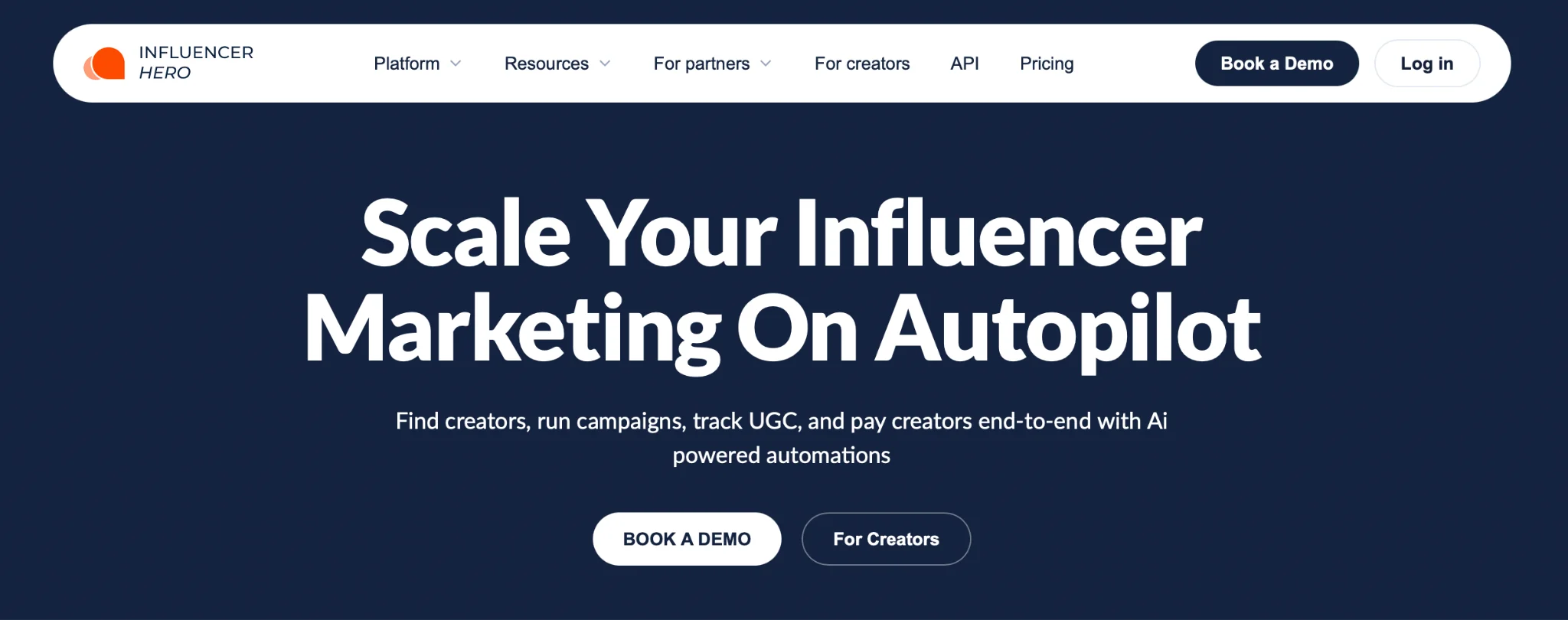
Influencer Hero is one of the best influencer marketing platforms, and its discovery engine is the reason it sits this high on a discovery-focused list. The database holds over 450 million creators across Instagram, TikTok, and YouTube, and the search goes deeper than follower count and niche.
Three filters do most of the heavy lifting. Fake-follower detection scores audience quality before you shortlist anyone, so you are not paying for inflated reach. Lookalike search takes a creator who already performed well for you and surfaces profiles with similar audience makeup and content style. Brand-follower detection scans your own follower base to find creators already following you, which are almost always your warmest partnerships. There is also a Chrome extension that pulls creator stats while you browse profiles natively, and AI matching that turns a plain-language brief into a shortlist.
Once you have found people, discovery hands off into the rest of the platform: CRM, automated outreach from your own domain, gifting, affiliate tracking, and ROI attribution. Book a demo with Influencer Hero to learn more about the platform.
The numbers: Pricing is public. Standard is $649 per month for one seat and 1,000 creator reach-outs, Pro is $1,049 per month with 5,000, and Business is $2,490 per month with 10,000. Quarterly and annual billing come at a discount.
One honest caveat: there is no free trial, and plans carry a three-month minimum, so the entry cost is higher than a discovery-only tool. If search and vetting are all you need, this is more platform than you need. But if you want the same tool to find creators and then run the program, the depth earns its price.
3. Modash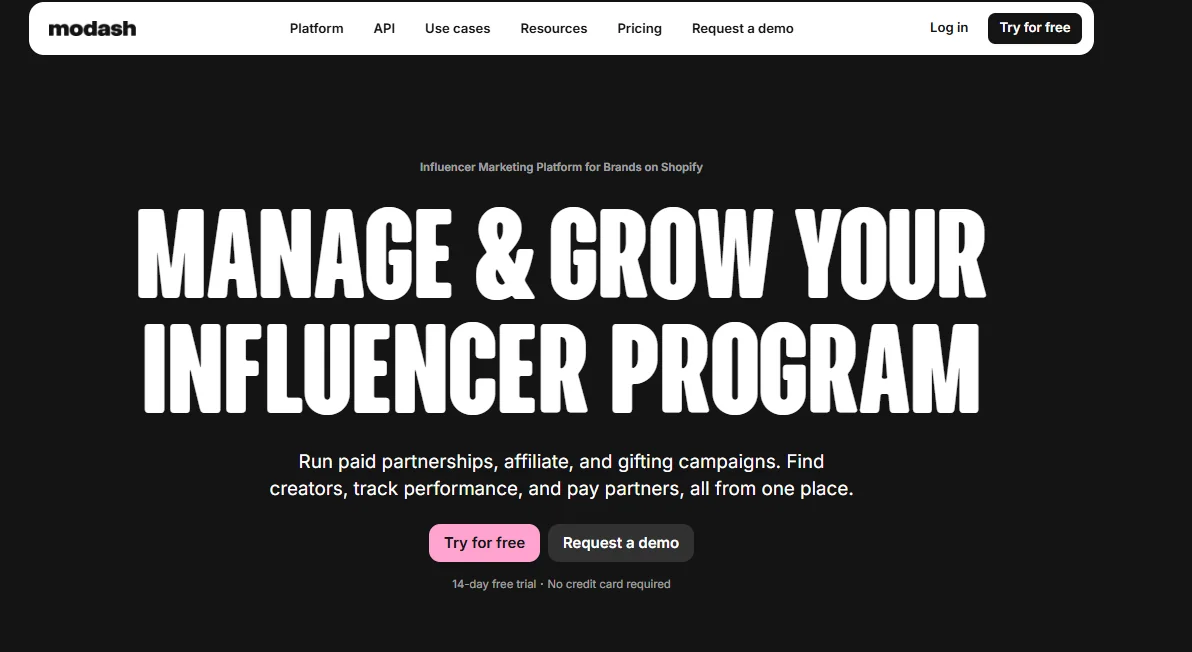 [ALT: Modash]
Modash is the go-to when discovery is your main gap and you want a huge, searchable database without enterprise pricing.
Its index is one of the biggest in the category, and the filters are genuinely good for narrowing down by audience quality, location, and engagement. Outreach runs from your own email, not a generic platform inbox, which helps deliverability.
The numbers: The Essentials plan is $199 per month billed annually, or $299 per month billed monthly. Performance is $499 per month annually, or $599 monthly. Enterprise is custom. There is a 14-day free trial with no card required, and Shopify integration is included on every tier.
If your team's core need is finding and vetting creators at a mid-market price, Modash is hard to beat. The main trade-off is that profile opens, email unlocks, and tracked creators all have monthly caps, so heavy users climb tiers fast.
4. HypeAuditor
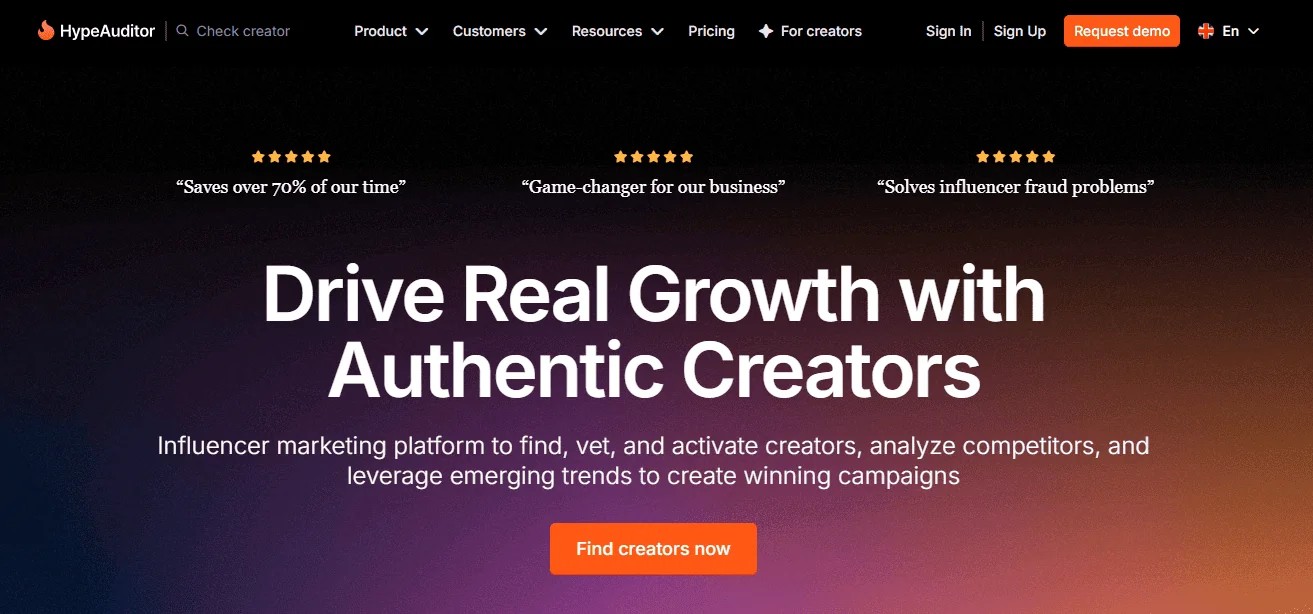
HypeAuditor's reputation is built on data accuracy. If your biggest worry is fake followers and inflated engagement, this is the platform that validates audiences before you spend a dollar on a partnership.
It covers discovery, analytics, CRM, and campaign management across Instagram, TikTok, YouTube, and X, but the fraud detection and audience-quality scoring are the real draw.
The numbers: The Basic plan starts at $299 per month billed annually, with the next tier around $499 per month. The database holds roughly 227 million creator profiles. Free trials are granted by request, and HypeAuditor also offers 40-plus free tools for quick influencer checks.
The catch is feature gating. AI search, advanced audience filters, and the account quality score live in higher tiers, so the Basic plan can feel thin. Still, for brands that put authenticity above all else, few tools match the vetting depth.
5. Heepsy

Heepsy is one of the most affordable ways to get into influencer discovery, which makes it popular with small brands and first-timers.
It offers solid search filters, fake-follower analysis, and audience-quality scores, plus a creator marketplace where brands post campaigns and creators apply. There is also a free plan so you can test basic search before paying.
The numbers: Paid plans start at around €69 per month for Starter, scaling up through Plus and Advanced tiers. The database covers roughly 11 million profiles, and it integrates with Shopify on the top tier.
Be aware of the limits. Heepsy only indexes creators with 3,000-plus followers, its database is smaller than rivals and strongest in Spain, and key features like advanced demographics and Shopify tracking sit on the higher plans. For a low-budget starting point, though, it does the job. To work effectively with smaller creators, pair it with this guide to finding the right micro-influencers.
6. Upfluence

Upfluence is one of the original search-and-discovery platforms, and it has grown into a full influencer and affiliate marketing suite.
Its standout feature for ecommerce brands is the ability to find creators hiding inside your own customer and subscriber lists, thanks to integrations with Shopify, WooCommerce, and Klaviyo. It also ties creator activity to revenue, AOV, and commissions, so it suits teams that need to prove business impact.
The numbers: Upfluence uses custom, modular pricing with no public price page. Entry modules reportedly start around $478 per month, but real-world deployments commonly land between $800 and $3,000-plus per month once you add seats and modules. A 12-month minimum contract is standard.
The lack of transparent pricing and the annual commitment are the obvious downsides. For DTC and ecommerce brands that want discovery plus affiliate tracking in one system, it remains a serious contender.
7. GRIN
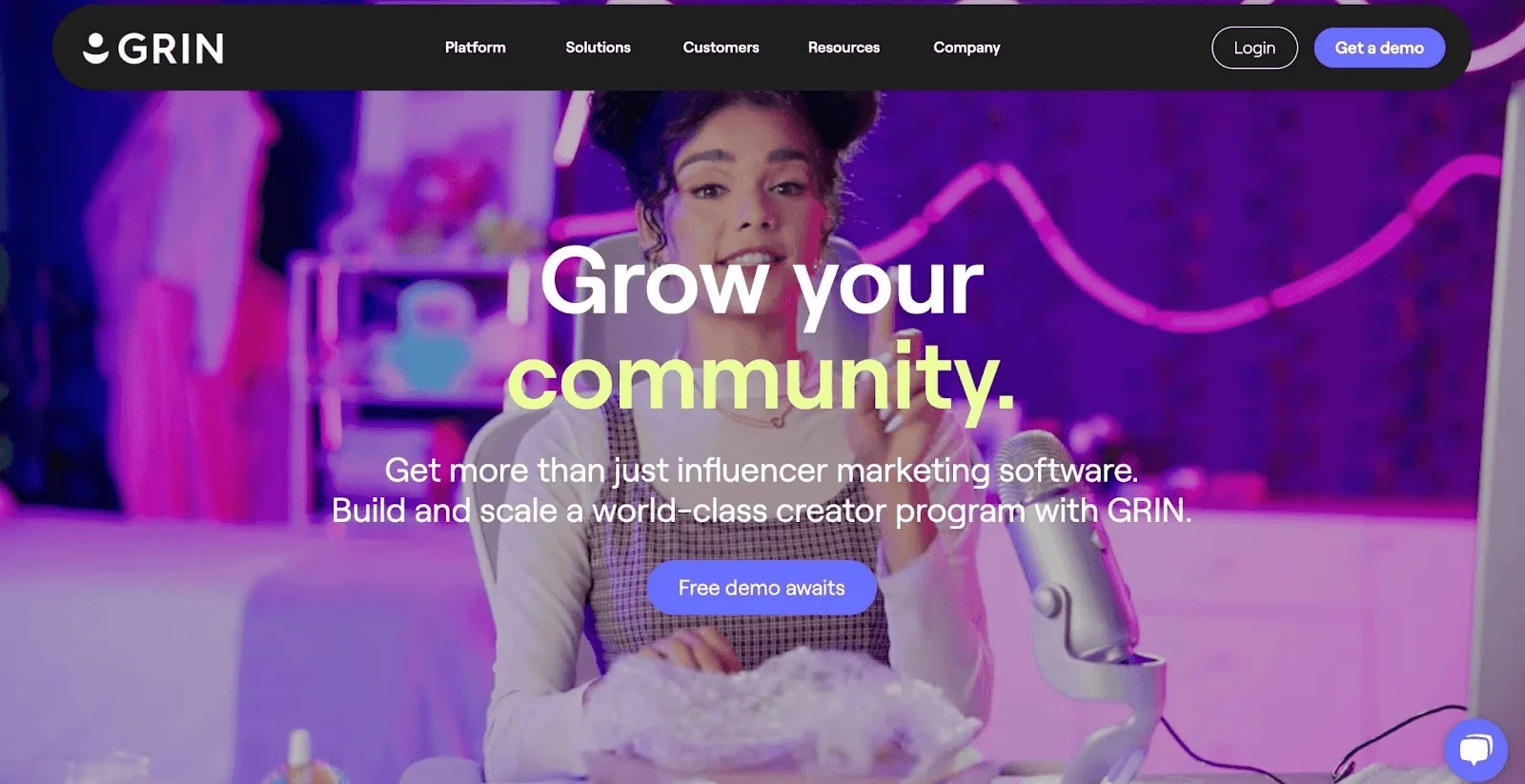
GRIN is a long-standing favorite for DTC and Shopify brands, and it made a big change in 2026: it dropped its old custom-quote, annual-contract model for transparent, month-to-month pricing. That alone makes it far easier to evaluate than it used to be.
You get creator search and CRM, branded briefs, gifting, affiliate management, content tracking, and ROI reporting, with AI creator search for Instagram on every tier.
The numbers: Lite is $399 per month for up to 15 active creators. Essentials is $699 for 50, Growth is $1,149 for 200, and Complete is $1,799 for 400 plus API access. There is a 30-day free trial, no contract, and you can cancel anytime.
The pricing scales by creator capacity rather than features alone, so a fast-growing program can jump tiers quickly. But the new flexibility, instant signup, and free trial make GRIN much more approachable for mid-market brands than its enterprise reputation suggests.
8. Collabstr
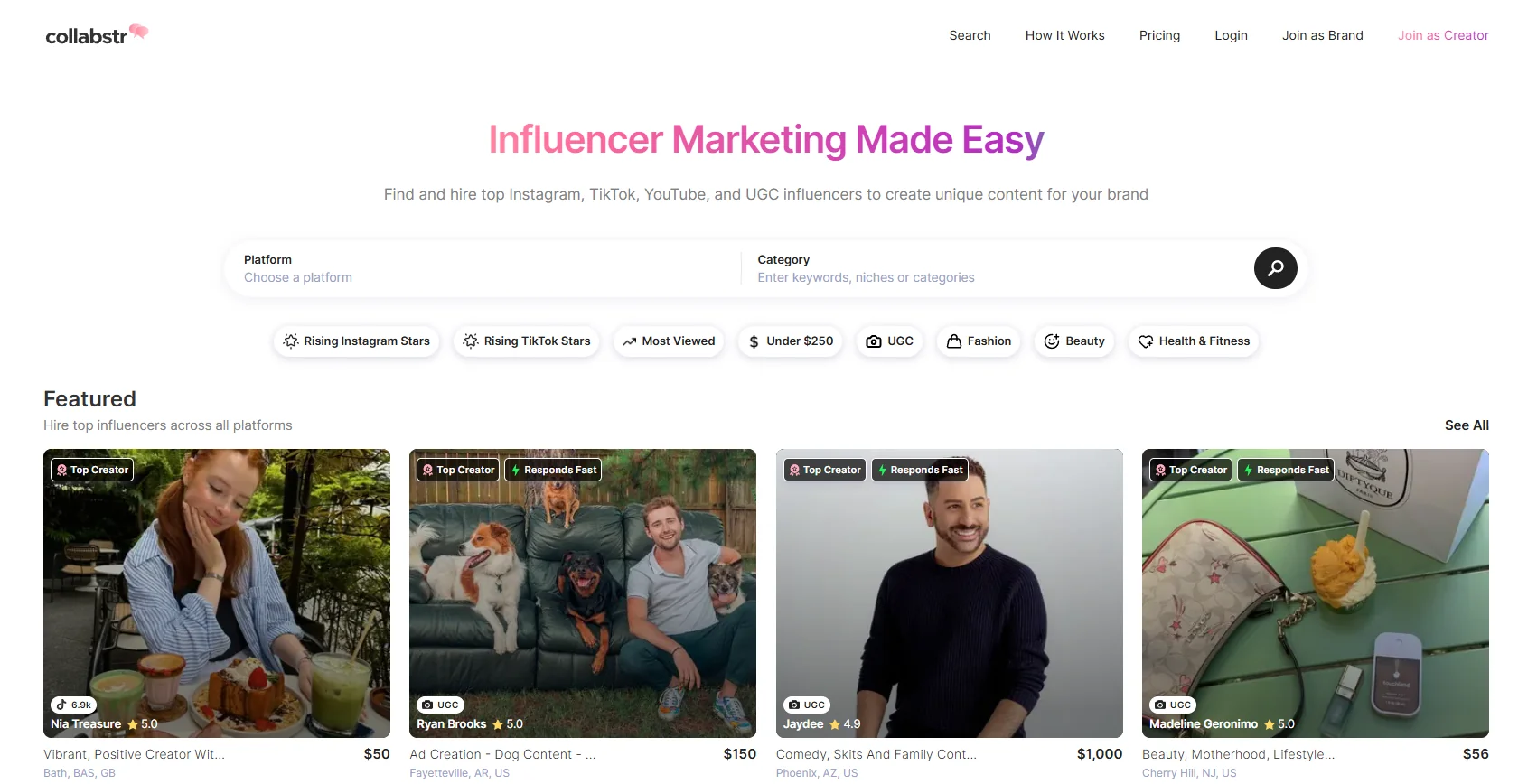
Collabstr is a marketplace, not a database, and that is the point. Every creator lists their rates publicly, so you browse like a menu, see exactly what a TikTok video or Instagram Reel costs, and hire without negotiation.
Payments sit in escrow until you approve the work. It is built for brands that want to hire individual creators fast, especially for UGC and one-off sponsored posts.
The numbers: It is free for brands to browse and post campaigns. On the free tier, Collabstr adds a 10% fee per hire. Upgrading to a Pro plan, up to around $399 per month, cuts that fee to 5% and unlocks unlimited campaigns and advanced filters. The marketplace holds over 200,000 vetted creators.
What you give up is depth. There is no full campaign management, deep analytics, or affiliate attribution tied to revenue. For brands running a handful of creator deals a month with zero commitment, though, it is the most affordable entry point by a wide margin.
9. CreatorIQ
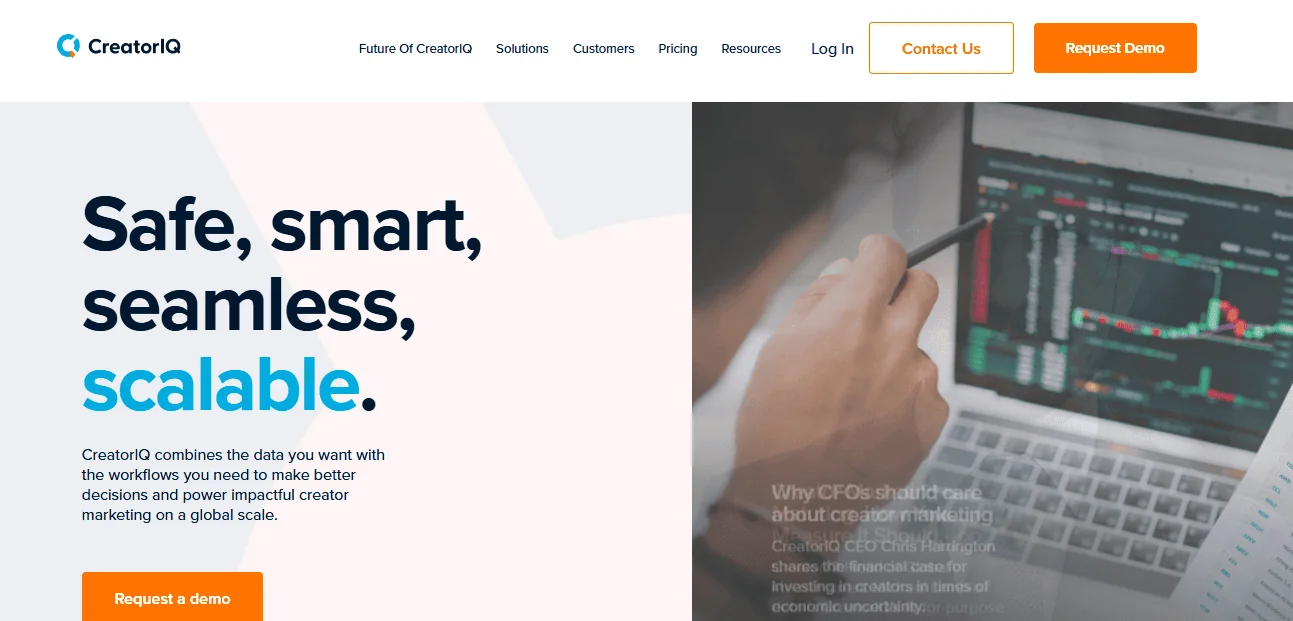
CreatorIQ sits at the enterprise end of the market. It is the platform behind global programs at brands like Disney, Airbnb, and Unilever, and it is built for governance, standardized reporting, and cross-market campaign operations rather than lightweight daily search.
If you manage a large team, multiple brands, and a seven-figure creator budget, this is the tier you are shopping in.
The numbers: Pricing is custom and not published. Entry contracts typically start around $30,000 to $36,000 per year, climbing past $50,000 depending on seats, features, and data access. An annual commitment is required, and there are no monthly plans.
Reporting depth and scale are the strengths. The cost and the enterprise sales process are the barriers. For brands below the $1 million budget mark, a purpose-built mid-market tool will almost always be the smarter spend.
10. Influencity
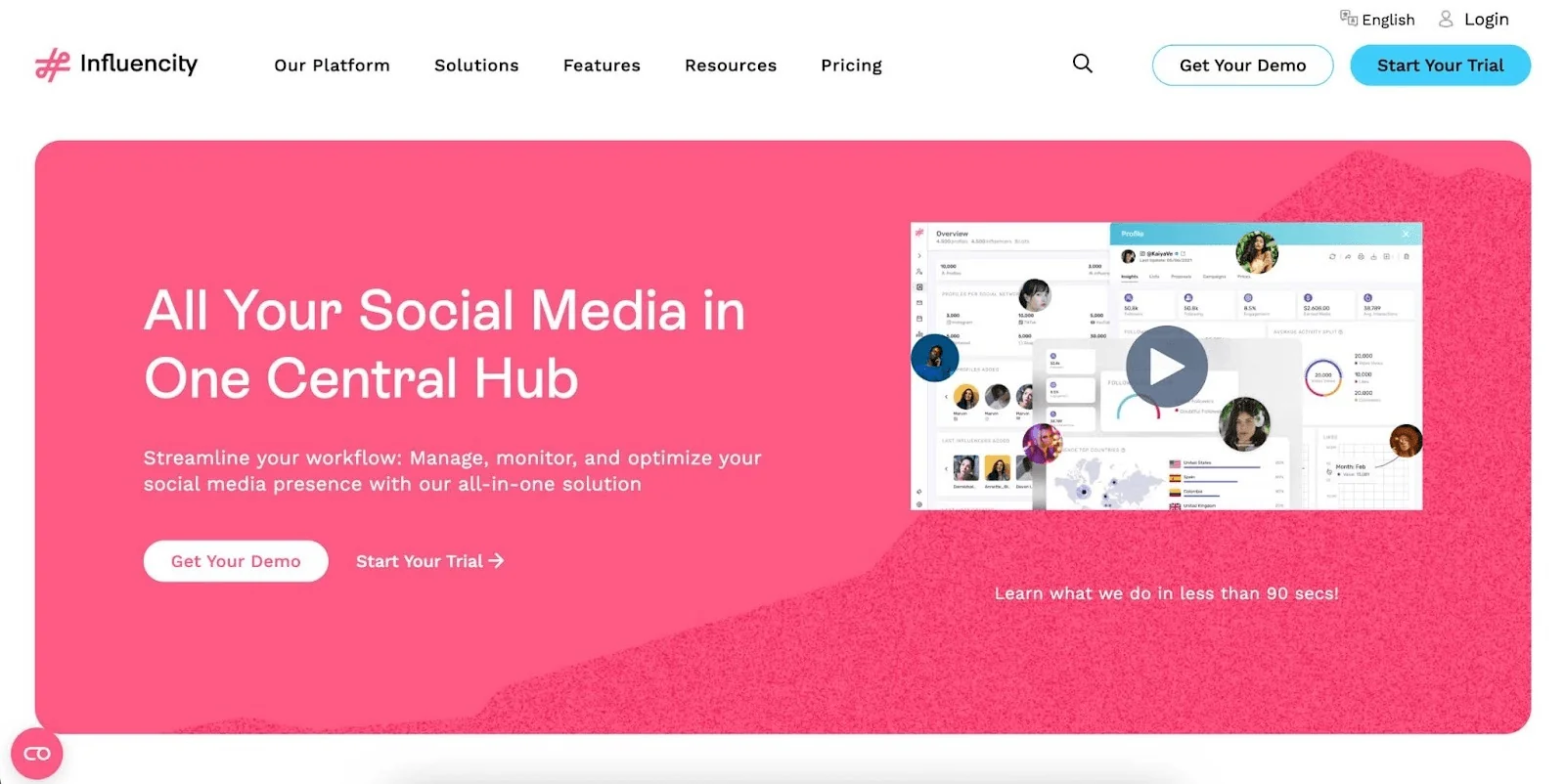
Influencity rounds out the list as a transparent, discovery-first option for mid-market teams. It claims a database of over 200 million profiles across Instagram, TikTok, and YouTube, with strong search filters, audience analytics, and influencer relationship management.
A handy detail: it does not charge per influencer, so you can analyze and manage many creators without paying extra per profile.
The numbers: Plans start at $168 per month for Basic, with Professional around $348 to $398 per month and Business roughly $698 to $998. Enterprise is custom. There is no free plan, but entry tiers offer month-to-month billing.
The limits here are usage-based. Each plan caps monthly profile and post analyses, and active discovery teams hit those caps quickly. For brands that want predictable, transparent pricing and serious search power without an enterprise contract, it is a strong middle-ground pick.
How to Choose the Right Influencer Discovery Tool in 2026
There is no universal best tool, only the one that fits your program, your team, and your budget. Run your shortlist through these factors before you commit.
- Your budget and commitment tolerance — Entry points vary more than most people expect. A marketplace like Afluencer starts at $49 a month, mid-market discovery tools run $200 to $700, and enterprise platforms start at $30,000-plus a year. Collabstr is free to browse but takes a 10% cut per hire. Also check the contract: month-to-month beats a 12-month lock-in while you are still validating.
- Database size versus match quality — A 450-million-profile database sounds impressive, but a tighter, well-filtered search often surfaces better fits. Test the discovery experience live during a trial rather than trusting the headline number.
- Discovery only, or the full workflow — If you just need search and vetting, a focused tool like Modash, HypeAuditor, or Influencity keeps costs down. If you want outreach, CRM, gifting, and ROI in one system, an all-in-one platform earns its price. New to the workflow? Start with this influencer marketing strategy guide.
- Fraud detection and audience quality — Fake followers waste budget. If authenticity is your top concern, prioritize tools with real audience-quality scoring before you green-light any partnership.
- Ecommerce and integrations — Selling on Shopify or WooCommerce? Native integrations that tie creator activity to actual sales turn influencer marketing into a measurable channel instead of a guess.
- How you like to source — Prefer to hunt creators in a database, or have them apply to you? The apply-to-you model lowers the cold-outreach burden, and it pairs naturally with gifting. Here is how to run a micro-influencer gifting campaign to get content flowing fast.
The takeaway: match the tool to your stage. You do not need every feature, just the one or two that solve your actual bottleneck right now.
Final Thoughts
Influencer discovery in 2026 is less about finding creators and more about finding the right ones, fast, without burning budget on tools you will not use. The good news is the market has options for every stage, from $49-a-month marketplaces to enterprise suites, with more transparent pricing than ever before.
Ready to start? Set up your Afluencer brand account and post your first Collab today. Try the Afluencer Collab Finder to get matched with creators ready to work with your brand.