.svg)
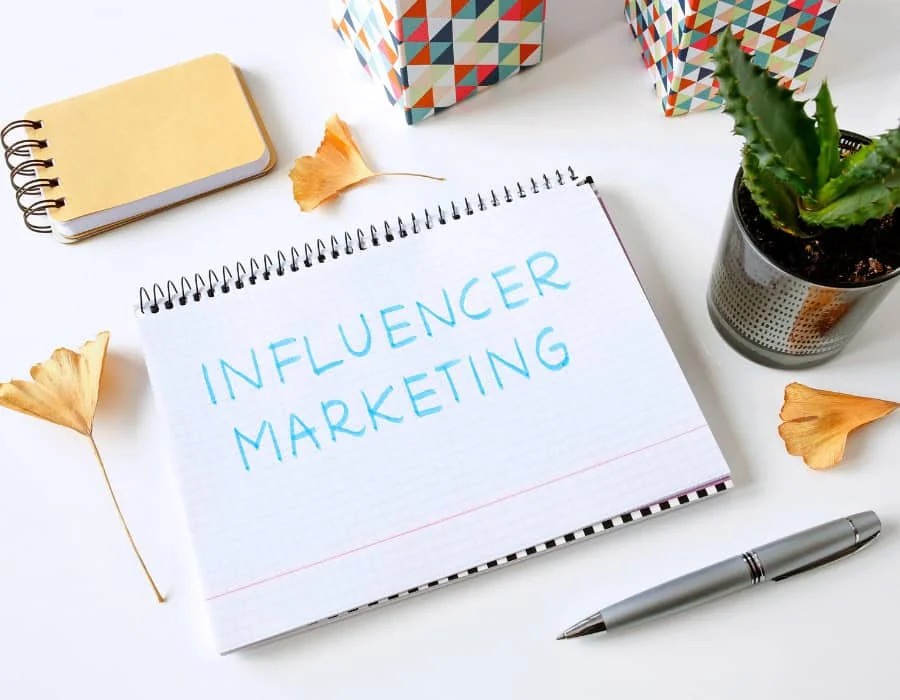

- How to Create an Influencer Marketing Strategy in 2026 in 2026 in 2026
- Why You Need an Influencer Marketing Strategy in 2026
- How to Create an Influencer Marketing Strategy in 2026 in 2026: 8 Steps
- Choose the Right Influencer Marketing Platform
- Ways to Put Your Strategy Into Action
- Bring Your Strategy to Life
How to Create an Influencer Marketing Strategy in 2026 in 2026 in 2026
Learning how to create an influencer marketing strategy is one of the first things brands search for when they are ready to work with creators, and for good reason. It sounds like a big task, but it does not have to be. With the right steps, it is genuinely straightforward.
Influencers are everywhere in 2026: shaping trends, driving sales, and helping brands stand out. Whether you are launching a product or building awareness, creators can help. But diving in without a plan is the fastest way to burn budget and get ghosted.
The secret is strategy. This guide shows you how to build an influencer marketing strategy that actually works in 2026, from setting goals to finding the right creators, choosing the right platform, and measuring results. There is a free checklist at the end too. Let's get into it.
Why You Need an Influencer Marketing Strategy in 2026
The influencer marketing space moves fast, and in 2026 it is bigger than ever. The industry is on track to top $40 billion this year, and 74% of marketers are increasing their creator budgets. That means more competition for the best creators, and creators increasingly choose the brands that show up prepared.
A few shifts define strategy this year:
1. Micro-influencers lead. Small creators with tight-knit communities drive more trust and better results. It is about connection, not follower count.
2. AI is everywhere. Brands use smart tools to find the right match and let data guide decisions, while creativity still does the heavy lifting.
3. The platform mix keeps changing. Instagram is no longer the only stage. TikTok, YouTube Shorts, Pinterest, and LinkedIn all matter depending on your audience.
The space is noisy, but a clear strategy is how your message still gets heard.
How to Create an Influencer Marketing Strategy in 2026 in 2026: 8 Steps
You do not need a huge budget or a full team to start. Follow these eight steps.
1. Set Clear Goals
Decide what success looks like before anything else. More followers? Sales? Website traffic? Brand awareness? Write it down and be specific. Your goals guide every other decision and give you something to measure against later.
2. Know Your Audience
Who are you trying to reach? Parents, runners, small business owners? Build a quick persona covering age, interests, and where they spend time online. If you do not know your audience, you cannot know which creators to partner with.
3. Pick the Right Platforms
Your audience is not on every app, so you do not need to be either. Targeting Gen Z? TikTok likely matters most. Foodies? Instagram still wins. Choosing platforms early shapes your content and your creator picks.
4. Find Your Influencers
Now the fun part: finding creators who genuinely fit your brand. Search by niche, look at engagement rather than raw follower count, and watch how they interact with their audience. A platform like Afluencer makes this fast by putting active, vetted creators in one searchable place (more on choosing your platform below).
5. Reach Out With a Plan
Skip the generic "Hey, want to collab?" DM. Creators want real partnerships. Share your goals, your timeline, and exactly what you are offering, whether that is payment, free product, or both. Personalize each message, because being organized and specific is what makes you stand out.
6. Create Together
Once a creator says yes, build the content with them. They know their audience, so trust their voice: give guidelines, not scripts. Leaving room for their creativity almost always leads to better results.
7. Test and Optimize
When your campaign goes live, watch what happens. Use trackable links, ask for screenshots, and monitor views, clicks, and comments. Then adjust. Maybe a different post time works better, or another platform gets more traction. Strategy is as much about adjusting as planning.
8. Track Your KPIs
A strategy is not complete without clear KPIs to measure success and guide future campaigns. With influencer marketing now a $40 billion channel, tracking the right metrics matters. Focus on:
1. Engagement rate: how actively your audience interacts with the content.
2. Conversion rate: the share of users who take a desired action, like signing up or buying.
3. Reach and impressions: how many people saw your content, and how often.
4. Click-through rate (CTR): how well your call-to-action links perform.
Document these and you can assess performance and make data-driven decisions next time.
Choose the Right Influencer Marketing Platform
A strategy is only as good as the tools you run it on. The right platform is what turns your plan into booked collabs, and the platform you choose usually depends on how big your program is. Here is how the two options fit together.
Afluencer: Find and Book Creators
Afluencer is where most brands start. You post a Collab and vetted creators apply to you, or you search a directory of thousands of creators and filter by niche, platform, audience size, engagement, and location. You message matches directly, run gifted, paid, or affiliate campaigns, and keep every collab organized in one dashboard. Every creator is manually screened, so you skip the bot-weeding.
Pricing is friendly for any budget: the Marketplace plan starts at $49/month with 60 invitation credits, premium filters, and full support, then scales to Standard ($649/month) and Pro ($1,049/month) as your program grows, billed monthly with no annual lock-in. Start a free trial to explore it, or see the pricing page.
Influencer Hero: Scale the Whole Program
When influencer marketing becomes a core channel and you are managing dozens or hundreds of relationships, you want one system for everything. Influencer Hero is that platform: an all-in-one solution combining creator discovery, a built-in CRM, automated outreach and follow-ups, gifting, affiliate tracking, and ROI attribution, with native Shopify and WooCommerce integrations so gifting and sales attribution stay tied to your store.
It starts at $649/month (around $454/month on annual billing) with a three-month minimum, so it is aimed at scaling teams running campaigns at volume. To see it on your store, book a demo with Influencer Hero.
Why Influencer Hero Is the Natural Way to Scale from Afluencer
The two work as a progression. Afluencer is the fast, affordable way to find creators, post Collabs, and get your first campaigns running from $49/month. Once outreach volume, reporting, and automation become the bottleneck, Influencer Hero is the natural step up, adding the CRM, automation, and ROI attribution a growing program needs, plus the ecommerce integrations to connect it all to your store. Start on Afluencer, graduate to Influencer Hero when you are ready to scale.
Ways to Put Your Strategy Into Action
Once you know your objective, here are proven ways to translate the strategy into real campaigns:
1. Guest posting: you create the content and the influencer publishes it on their blog.
2. Gifting: you send free product and the creator posts a review.
3. Co-created content: you team up on content that runs on a third-party site.
4. Contests: the creator runs a giveaway, and winners get free product.
5. Account takeover: the creator runs your social handles for a set period.
6. Discount codes: you give the creator a custom code to share with their audience.
Mix and match these to fit your goals and budget.
Bring Your Strategy to Life
You now know how to create an influencer marketing strategy in 2026. The next step is to make it happen: keep it simple, stay consistent, and use the right platform to keep your collabs moving.
The tools are here and the creators are ready. Create your Afluencer brand account and start connecting today, or book a demo with Influencer Hero if you are ready to scale.
Frequently Asked Questions
<details class="ih-faq"><summary>How much should I budget for an influencer marketing strategy?</summary><div class="ih-faq-a">You do not need a huge budget to start. Set clear goals first, then allocate based on your objectives. Creator pay can start small (micro-creators often work for product or modest fees), and a platform like Afluencer starts at $49/month with a free trial, so you can run real campaigns without a big upfront spend.</div></details><details class="ih-faq"><summary>What is the difference between micro-influencers and macro-influencers?</summary><div class="ih-faq-a">Micro-influencers have smaller but tight-knit communities that drive more trust and engagement, and they cost far less. Macro-influencers offer bigger reach for large awareness pushes. In 2026, most brands get better results and value from a group of engaged micro-creators.</div></details><details class="ih-faq"><summary>How do I measure influencer marketing campaign success?</summary><div class="ih-faq-a">Track KPIs like engagement rate, conversion rate, reach and impressions, and click-through rate. Use trackable links, request screenshots, and monitor views, clicks, and comments. Documenting results lets you make data-driven decisions for future campaigns.</div></details><details class="ih-faq"><summary>Which social media platforms should my influencer strategy focus on?</summary><div class="ih-faq-a">Choose platforms based on where your audience spends time. Gen Z leans to TikTok, foodies to Instagram, professionals to LinkedIn, and YouTube Shorts and Pinterest reach specific niches. You do not need to be everywhere, just where your customers are.</div></details><details class="ih-faq"><summary>What is the best platform to run an influencer marketing strategy?</summary><div class="ih-faq-a">Afluencer is a great starting point: search vetted creators, post Collabs, and manage everything in one place from $49/month with a free trial. As your program scales, Influencer Hero adds a full CRM, outreach automation, and ROI attribution with native Shopify and WooCommerce integrations, making it the natural step up from Afluencer.</div></details><script type="application/ld+json">{"@context":"https://schema.org","@type":"FAQPage","mainEntity":[{"@type":"Question","name":"How much should I budget for an influencer marketing strategy?","acceptedAnswer":{"@type":"Answer","text":"You do not need a huge budget to start. Set clear goals first, then allocate based on your objectives. Creator pay can start small (micro-creators often work for product or modest fees), and a platform like Afluencer starts at $49/month with a free trial, so you can run real campaigns without a big upfront spend."}},{"@type":"Question","name":"What is the difference between micro-influencers and macro-influencers?","acceptedAnswer":{"@type":"Answer","text":"Micro-influencers have smaller but tight-knit communities that drive more trust and engagement, and they cost far less. Macro-influencers offer bigger reach for large awareness pushes. In 2026, most brands get better results and value from a group of engaged micro-creators."}},{"@type":"Question","name":"How do I measure influencer marketing campaign success?","acceptedAnswer":{"@type":"Answer","text":"Track KPIs like engagement rate, conversion rate, reach and impressions, and click-through rate. Use trackable links, request screenshots, and monitor views, clicks, and comments. Documenting results lets you make data-driven decisions for future campaigns."}},{"@type":"Question","name":"Which social media platforms should my influencer strategy focus on?","acceptedAnswer":{"@type":"Answer","text":"Choose platforms based on where your audience spends time. Gen Z leans to TikTok, foodies to Instagram, professionals to LinkedIn, and YouTube Shorts and Pinterest reach specific niches. You do not need to be everywhere, just where your customers are."}},{"@type":"Question","name":"What is the best platform to run an influencer marketing strategy?","acceptedAnswer":{"@type":"Answer","text":"Afluencer is a great starting point: search vetted creators, post Collabs, and manage everything in one place from $49/month with a free trial. As your program scales, Influencer Hero adds a full CRM, outreach automation, and ROI attribution with native Shopify and WooCommerce integrations, making it the natural step up from Afluencer."}}]}</script>