.svg)


Singapore’s Ministry of Environment seeks out social media micro-influencers to spread awareness of environmental issues.
Wait.
Singapore has a Ministry of Environment—how cool is that?
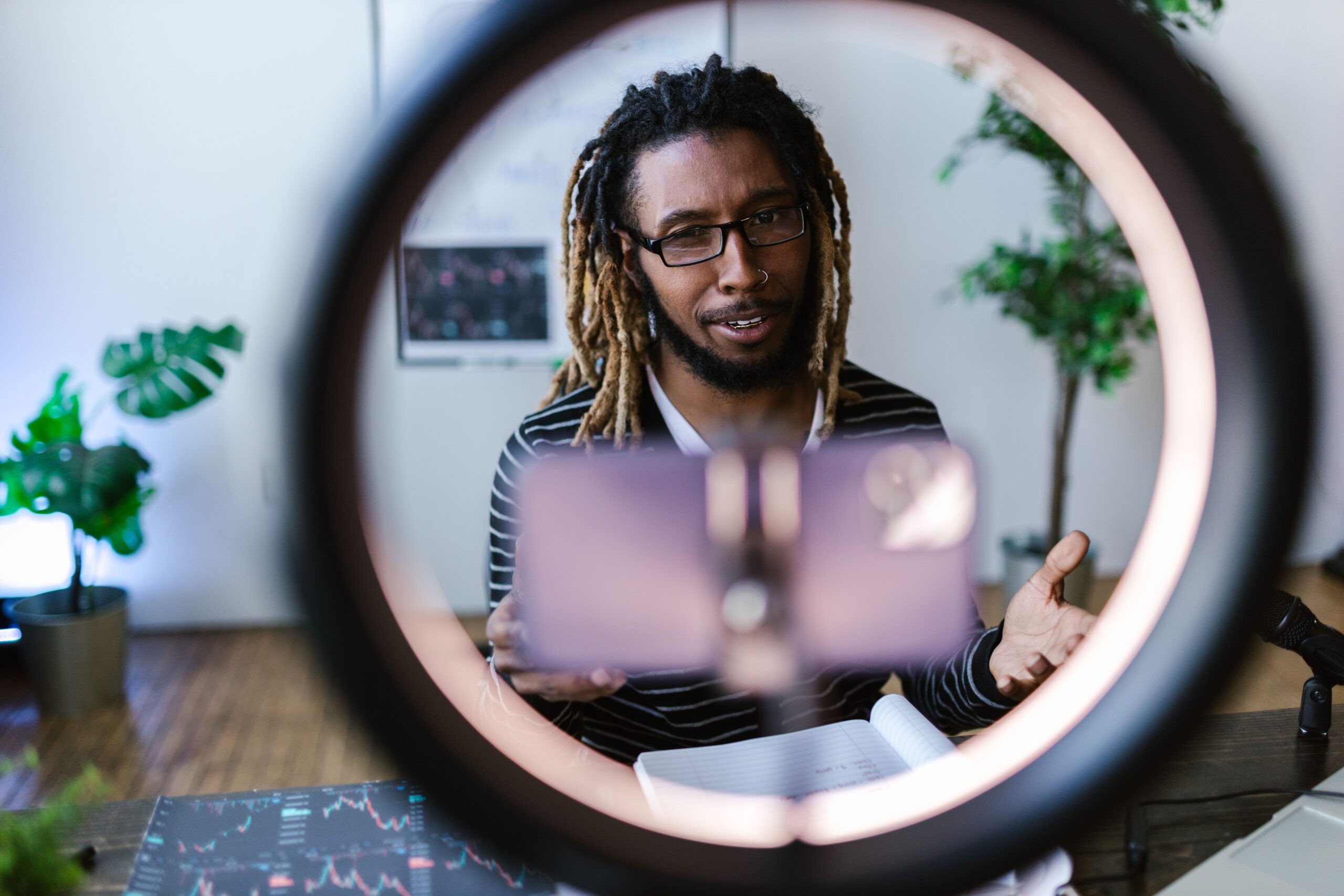
What’s even cooler is that these guys know what’s up. They did what most traditional “ministries” would never even imagine doing: they got in touch with Marcus Nai (@marcusnai) and Melissa (@tacomels)—two social media micro-influencers.
And they did that because:
- They wanted to save the environment.
- They knew that this would rally the millennial youth behind them, uniting much of Singapore around the cause
We guess no one can ever OK-Boomer to the Singaporean Ministry of Environment.
And it’s Not Just That One Ministry
Every other ministry in every other country can close up: because clearly, Singapore is living in 3037 already.
Before the Ministry of the Environment and Water Resources contacted said micro-influencers, the Finance Ministry had done the same—and on a much larger scale. Where the Environment guys had approached 28 influencers, the Finance guys had approached 50!
The Micro-Influencer Collab Outcome

All of this begs the question: did something come out of this government-influencer collab or was it much ado about nothing?
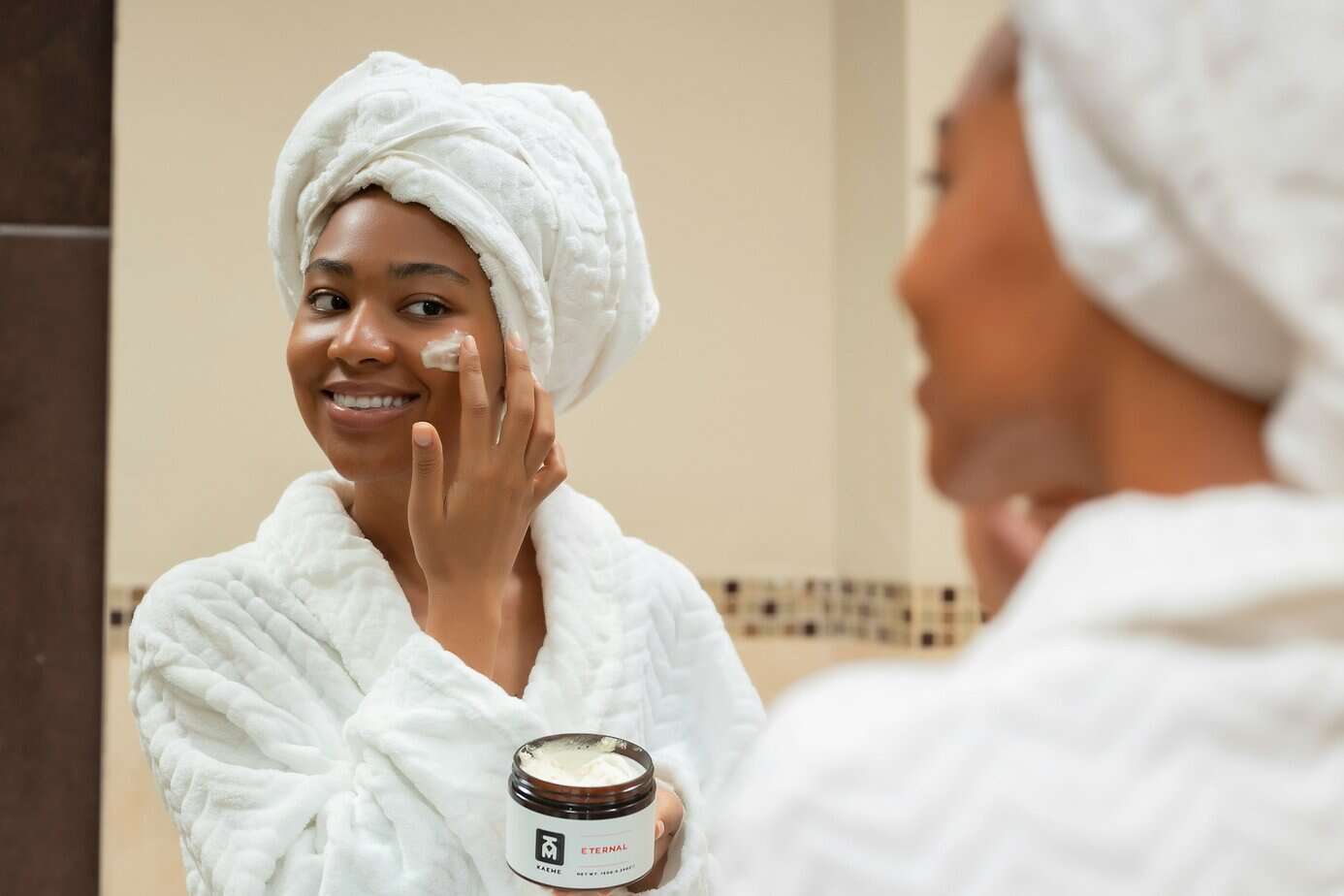
A lot came out of it, actually. The influencers took to their social media platforms and began working on well-thought-out pro-environment agendas. There were photographs of influencers on bicycles and them doing eco-friendly activities. These were all micro-influencers, mind you— @tacomels has only a little over 900 followers. And yet, the trend still caught on.
It’s usually the younger population—millennials, Gen Z, and whoever comes after them—that follow these influencers on social media platforms. And the Singaporean Government was correct in guessing that using the power of social media influencing would be far more effective than introducing a school course on climate change.
That would just bore children to death—Generation Z would become Generation ZZZ, and no goals would be met.
What You Can Learn from Singapore
So here’s what you can learn from Singapore:
- The recipe for Hainanese chicken rice.
- The recipe to hit your goals on the head, to get exactly what you want.
While we believe both recipes are equally interesting, you’ll be more interested in the second if you’re a business—especially if you’re a small business that’s seeking to make it big.
Social media has great power, and you can utilize this power the right way, to your advantage. Partner with micro-influencers who you feel will fit right with your brand vision. Let them do the reaching out to target audiences and market your vision while you can focus on your business.
And your one-way ticket to finding the perfect social media influencer for your brand is by signing up for Afluencer today. Find out more about us here.