Figuring out how to make money on social media sounds straightforward until you actually try it. You’re posting consistently, your content looks good, maybe you’re even gaining followers, but your bank account hasn’t noticed.
Here’s what’s actually happening right now: everyday creators are landing brand deals, earning affiliate commissions, and getting paid to create content for brands. The creator economy isn’t just for the big names anymore.
So why are so many creators still missing the connection between content and income? The problem usually isn’t effort. It’s strategy. Most people don’t lack talent or ideas. They lack a clear path to make money from social media.
That’s exactly what this guide is here to fix.
We’re breaking down the five main methods creators use to make money on social media right now: brand collaborations, affiliate marketing, UGC, sponsored content, and paid subscriptions. Whether you’re just getting started or you’ve been creating for a while and want to finally see some return, there’s a path here for you. Let’s get into it.
5 Proven Ways to Make Money on Social Media in 2026
Not every monetization method works for every creator — and that’s the point. The best approach depends on your niche, your audience size, and honestly, what you enjoy doing.
Here’s a quick snapshot of the five methods we’re covering before we break each one down:
Brand Collaborations — Partner with brands to create content promoting their products or services. The most direct route to getting paid.
Affiliate Marketing — Share product links and earn a commission every time someone buys through them. Think passive income with a content twist.
User-Generated Content (UGC) — Create content for brands to use in their own ads. The kicker? You don’t need a following at all.
Sponsored Content — Get paid a flat fee for a one-off post, Reel, or video featuring a brand. The classic influencer income stream.
Paid Subscriptions & Creator Tools — Use platform-native features like Instagram Subscriptions or YouTube Memberships to earn recurring revenue from your most loyal followers.
Each of these is working for creators right now — from beginners with a few hundred followers to full-time content professionals. Let’s dig into how each one works and how to get started.
Brand Collaborations

If you’re looking for the most direct way to make money on social media, brand collaborations are it.
A brand collab is simple — a brand pays you to create content featuring their product. Think Instagram Reels, TikToks, unboxings, or lifestyle photos with the product in frame.
Here’s what a lot of creators get wrong: they assume brands only want to work with big accounts. In 2026, the opposite is true.
Brands are actively seeking out micro and nano creators — accounts with anywhere from 1,000 to 50,000 followers — because their audiences are more engaged and more likely to trust a recommendation. In fact, 67% of marketers now work with micro-influencers, according to HubSpot, favoring them over bigger, more expensive names.
So how do you actually land these collabs? You’ve got two main options:
- Pitch brands directly — cold DMs, emails, media kits. It works, but it’s slow and unpredictable.
- Join a platform that connects you with brands already looking for creators in your niche — less guesswork, more real opportunities.
That’s where Afluencer comes in.
Instead of chasing brands, you can browse real collaboration opportunities, filter by niche and platform, and apply directly. Brands post what they need, you show up with your content skills, and the partnership builds from there.
Not sure what to charge? Rates vary widely depending on your platform, audience size, and content type — check out our Influencer Rates guide for 2026 for detailed benchmarks. And if you’re looking to turn a one-off collab into something more consistent, our breakdown of Brand Ambassador Programs is worth a read too.
How to Make Money on Social Media: Affiliate Marketing
Affiliate marketing is one of the most accessible ways to make money on social media, and you don’t need a brand deal to get started. The concept is simple. You share a product link, someone buys through it, and you earn a commission on the sale.
What makes this method so appealing is that it works in the background. A single TikTok or Reel recommending a product can keep generating commissions for months after you post it. It’s about as close to passive income as you can get when you make money from social media.
In 2026, the platforms themselves are making affiliate marketing easier than ever:
- TikTok Shop lets creators tag products directly in their videos and earn a commission on every sale — no need to send people to an outside link.
- Instagram’s affiliate program allows creators to tag products from partnered brands and earn when followers purchase through the app.
- Amazon Associates is still one of the most popular programs, especially for product roundups, “things I use,” and tutorial-style content.
The key to making affiliate marketing work is trust. Your audience needs to believe you’re recommending something because it’s genuinely useful — not just because there’s a commission attached. Stick to products you’ve actually used or that align closely with your niche, and the clicks will follow. If you’re not sure where to begin, this roundup of the best affiliate networks for influencers is a great place to start and find programs that match your content.
User-Generated Content (UGC)

This one’s for creators who keep hearing, “You need a bigger audience first.”
You don’t. Not with UGC.
User-generated content is when a brand pays you to create content — product demos, lifestyle clips, testimonial-style videos — for their ads and marketing. You’re not posting it to your account. You’re creating it for theirs. No audience required. Just you, a product, and a phone.
That’s what makes UGC such a game-changer if you want to make money on social media without waiting to grow a following. What brands care about is your ability to create content that feels authentic and relatable, not overly polished.
And the demand in 2026? Through the roof.
UGC consistently outperforms traditional branded content in clicks and conversions, which means brands are always looking for fresh content.
Getting started is simple. Build a small portfolio (3–5 videos), start pitching brands, or browse opportunities on platforms like Afluencer. You might be one strong sample video away from getting paid.
Want help finding the right match? The Afluencer™ Collab Finder is a free AI tool that pairs you with brand collabs based on your niche and audience.
Sponsored Content
Sponsored content is what most people picture when they think of making money on social media — a brand pays you a flat fee for a post, Reel, or video featuring their product. Unlike brand collaborations, which tend to be ongoing partnerships, sponsored posts are usually one-off deals.
What you can charge depends on a few factors:
- Your platform — short-form video (Reels, TikTok) tends to command higher rates right now than static posts.
- Your audience size and engagement — a smaller account with strong engagement can often charge more than a larger account with low interaction.
- Your niche — some industries (finance, tech, health) pay significantly more than others.
Pricing varies wildly, and a lot of creators undercharge simply because they don’t know what’s reasonable. Do your research, check what others in your niche and follower range are charging, and don’t be afraid to negotiate. If a brand is reaching out to you, they’ve already decided your audience is worth paying for.
Paid Subscriptions & Platform Creator Tools
Every method we’ve covered so far depends on brands paying you. This one flips the script. Paid subscriptions let you earn directly from your audience — recurring revenue that shows up monthly, not just when a deal lands in your inbox. That’s a different kind of freedom.
The major platforms have all built out subscription and monetization features:
- Instagram Subscriptions — followers pay a monthly fee for exclusive content, stories, and lives.
- YouTube Memberships — subscribers get perks like badges, behind-the-scenes content, and early access to videos.
- TikTok Series — creators can put premium content behind a paywall for followers willing to pay for deeper dives.
Beyond subscriptions, platforms also pay creators through ad revenue and creator funds — though the models differ. YouTube AdSense is a revenue share that scales with your views, while most creator funds (like TikTok’s Creator Rewards) pull from a fixed pool, making payouts less predictable. On TikTok, only videos over 60 seconds qualify for the Rewards Program — worth knowing if you’re mainly posting short clips. These payouts won’t replace a full income on their own, but stacked alongside brand deals and affiliate earnings, they add up.
A quick heads-up: not all of these features are available in every region, and the same goes for direct creator payouts. Check each platform’s eligibility requirements for your country before building a strategy around them.
For more platform-specific earning options, check out our roundup of social media earning apps that pay real money.
How to Start Making Money on Social Media (Even with a Small Following)
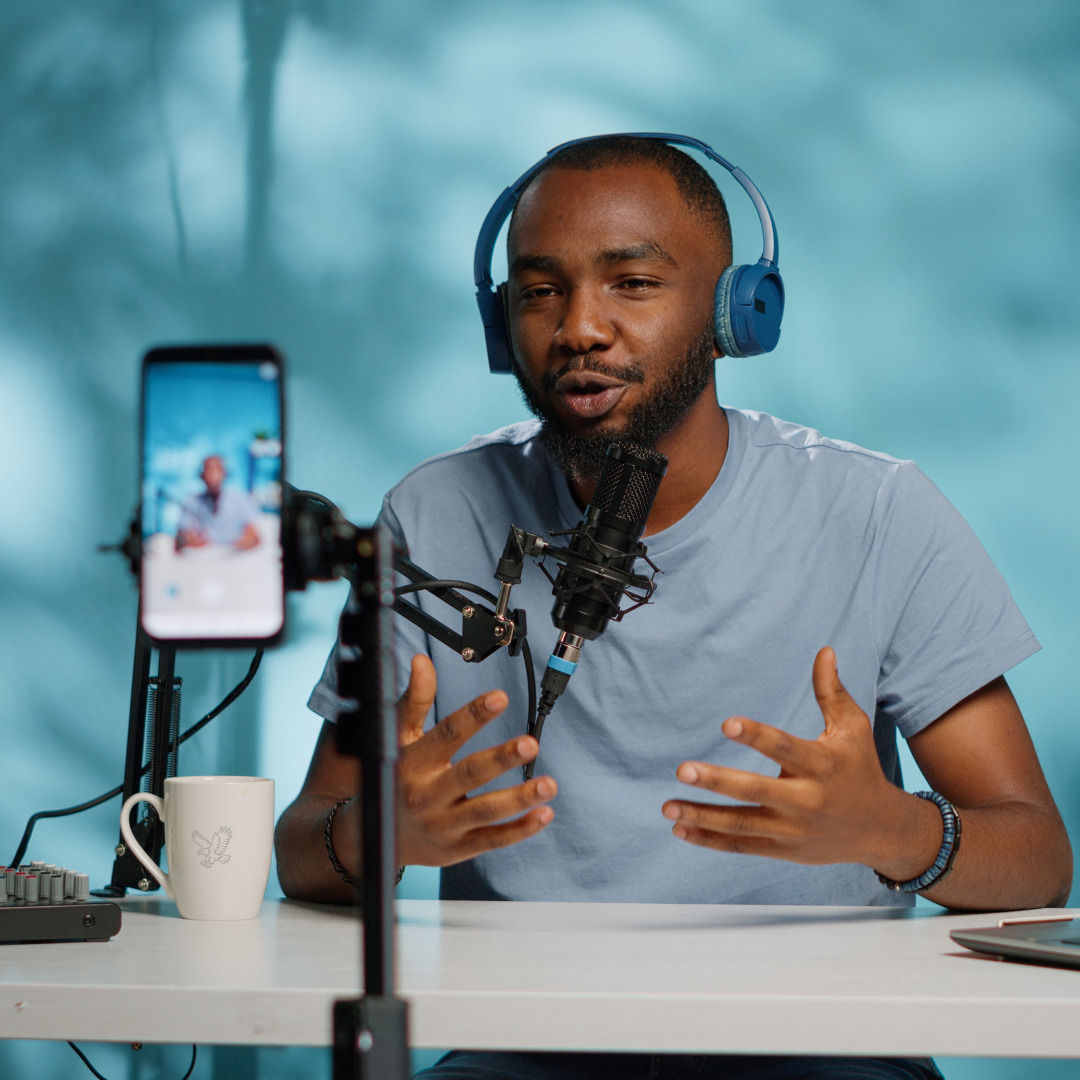
You don’t need to have everything perfectly figured out before you start.
But a few things make a big difference:
- Pick a niche and stick with it
Creators who make money from social media are known for something specific. Clarity attracts both followers and brands. - Optimize your profile
Your bio, profile picture, and pinned content are your storefront. If a brand can’t immediately tell what you do, they’ll move on. - Post consistently
Brands and algorithms both reward consistency. You don’t need to post daily, but showing up regularly builds trust and signals reliability. - Put yourself out there
The biggest mistake creators make is waiting for opportunities to come to them. Apply to collaborations, pitch brands, and join platforms like Afluencer where brands are already looking for creators.
The creators who earn aren’t always the most talented. They’re the ones who take action.
How to Make Money on Social Media: Common Mistakes
Before you go, a few traps worth avoiding. Most creators who struggle to make money on social media aren’t lacking talent. They’re usually making one of these mistakes:
- Being too broad
Trying to appeal to everyone means you resonate with no one. Niche down. - Not knowing their worth
Undercharging — or not charging at all — is one of the fastest ways to burn out. - Waiting instead of applying
Brands aren’t going to magically find you. The creators who earn are the ones actively putting themselves out there.
The good news? Every method in this guide is available to you right now.
You don’t need perfection, a massive following, or a viral moment. You just need a starting point. One method is all it takes to build momentum.
Ready to turn everything you’ve just learned into your first paid opportunity?
Find your next brand collab with the Afluencer™ Collab Finder — it’s a free, AI-powered tool that’s built to match you with opportunities that actually fit your niche. You might be surprised by what’s already out there waiting for you.