.svg)

- The Magic of Micro Influencer Marketing for Ecommerce
- Step 1: Finding Your Perfect Micro-Influencers
- Step 2: Crafting Compelling Micro Influencer Collabs
- Step 3: Measuring Micro Influencer Success
- Step 4: Building Long-Term Relationships
- Step 5: Leveraging User-Generated Content
- Step 6: Creating a Community
- Final Thoughts on Micro Influencer Marketing for Ecommerce
In the bustling world of ecommerce, finding that secret sauce to increase sales can be like discovering a hidden treasure. One such treasure trove is the world of micro influencer marketing for ecommerce. These digital dynamos might not have millions of followers, but their influence can be profound, personal, and highly persuasive. Let’s dive into a creative playbook that not only highlights the how-tos but also inspires you with imaginative strategies. Let’s go!
The Magic of Micro Influencer Marketing for Ecommerce
Picture this: You’re scrolling through Instagram and stumble upon a post by your favorite lifestyle blogger, who has just a few thousand followers but whose taste you absolutely trust. They’re raving about a new skincare product they’ve tried, complete with before-and-after photos. You’re intrigued, and before you know it, you’ve clicked through to the product’s website, ready to make a purchase. This is the magic of micro influencers at work.
Micro influencers have carved out niches where their voice is not just heard but trusted. They speak to their followers like friends, offering recommendations that feel personal and genuine. This authenticity translates into higher engagement and conversion rates, making them an invaluable asset for ecommerce businesses.
Step 1: Finding Your Perfect Micro-Influencers
Instead of casting a wide net, focus on identifying micro influencers who resonate with your brand’s ethos. Here’s how:
1. Use Advanced Search Tools: Platforms like Afluencer can help you find micro influencers who align with your brand’s niche and values. The tools on offer give detailed analytics, allowing you to narrow down influencers based on engagement rates, audience demographics, and content relevance. You can find more on how to find and hire micro-influencers here and you can click here where we compare Afluencer Collabs with e-commerce giant, Shopify’s Collabs – it’s a micro influencer marketing for ecommerce showdown you don’t want to miss!
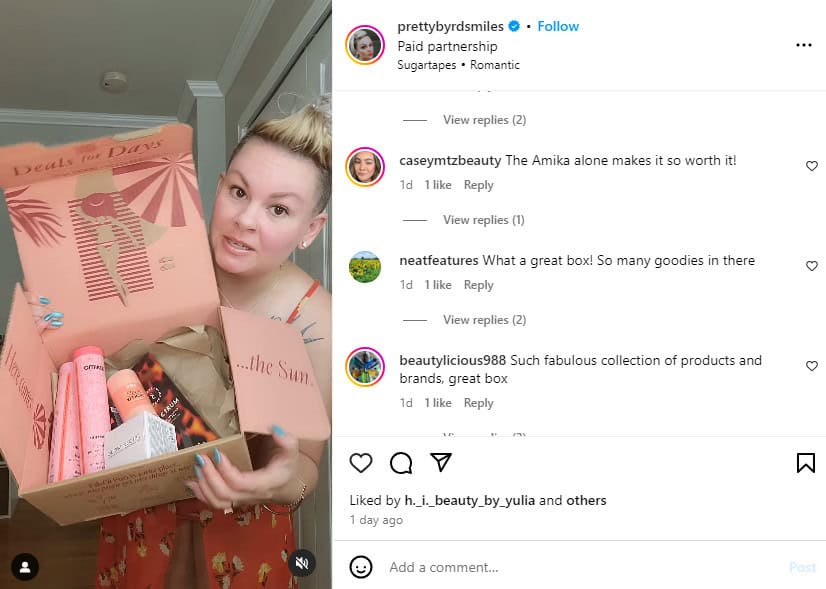
2. Look for Genuine Enthusiasm: Seek out influencers who already love and use products similar to yours. Their natural enthusiasm will shine through in their content. For instance, a beauty brand might find a micro-influencer who frequently posts about skincare routines and new beauty products. Their audience already trusts their opinions on these topics, making them an ideal partner. Check out the comments from the audience on beauty micro-influencer Marybeth Riddle’s (aka @prettybyrdsmiles) content – her audience is loving it!
3. Check Engagement Rates: Don’t just look at follower counts. High engagement rates are a key indicator of an influencer’s impact. A micro-influencer with 10,000 followers and a 10% engagement rate is often more valuable than one with 50,000 followers and a 2% engagement rate. Free platforms like Afluencer provide these helpful analytics.
Step 2: Crafting Compelling Micro Influencer Collabs
Once you’ve identified potential partners and set up your Collab on Afluencer, it’s time to get creative. Here are some innovative campaign ideas:
1. Unboxing and Reviews: Send your products to micro influencers and encourage them to create unboxing videos or honest reviews. Authenticity is crucial here; let them share their genuine experiences. These videos can provide potential customers with a detailed look at your product, increasing their confidence in making a purchase. Your packaging does a lot of the work in these videos, so it pays to design an unboxing experience that is worth filming.
2. Takeovers and Collabs: Allow micro influencers to take over your social media channels for a day. This not only brings fresh content but also introduces their followers to your brand in an engaging way. Takeovers can include live streaming, behind-the-scenes content, and Q&A sessions, creating a buzz around your brand.
3. Interactive Content: Host live Q&A sessions, Instagram Live events, or interactive polls with micro-influencers. This real-time interaction can boost engagement and drive traffic to your site. For example, a fitness brand could Collab with a micro influencer to host a live workout session using their products.

4. Themed Campaigns: Create themed campaigns that align with seasons, holidays, or special events. For instance, a summer-themed campaign with micro influencers showcasing your products in vacation settings can resonate well with their followers.
5. Behind-the-Scenes Content: Share the story behind your products through the eyes of micro influencers. This could include visits to your production facilities, interviews with your team, or the creative process behind your products. Such content adds depth to your brand story and builds a stronger connection with your audience.
Step 3: Measuring Micro Influencer Success
To ensure your campaigns are effective, it’s essential to track their success. Here’s how to measure the impact:
1. Unique Discount Codes: Provide micro influencers with unique discount codes to share with their followers. This not only drives sales but also helps track the performance of each influencer. You can analyze which codes were most used to determine which influencer brought in the most conversions.
2. UTM (Urchin Tracking Module) Parameters: Use UTM parameters (a bit of text added to the end of a URL) in the links you share with influencers. This allows you to track where your traffic is coming from and measure conversion rates accurately. Google Analytics can help you track these links and understand user behavior on your site.
3. Engagement Metrics: Monitor likes, comments, shares, and saves on the influencer’s posts. High engagement often translates to better brand visibility and an increase in sales. Additionally, track the number of direct messages or inquiries generated from the posts.
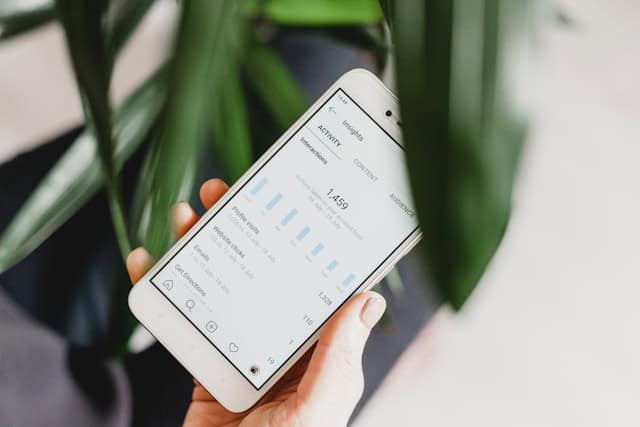
4. Sales Tracking: Use your ecommerce platform’s analytics to track sales directly attributed to influencer campaigns. Look at the overall revenue generated, the average order value, and the number of new customers acquired.
5. Customer Feedback: Gather feedback from customers who made a purchase through influencer campaigns. This can provide insights into what worked well and what could be improved in future collaborations.
Step 4: Building Long-Term Relationships
One-off Collabs can be effective, but long-term partnerships with micro influencers can lead to even better results when it comes to how to increase ecommerce sales. Here’s how to foster these relationships:
1. Regular Engagement: Stay in touch with your influencers. Engage with their content regularly, and provide them with exclusive updates and product launches. This keeps your brand top-of-mind and builds a stronger bond.
2. Collaborative Content Creation: Work with influencers to co-create content. Their insights can help you understand what resonates with your target audience. For instance, involve them in brainstorming sessions for new product ideas or marketing campaigns.
3. Feedback and Improvement: Continuously seek feedback from your influencer partners. Use their insights to improve your products and marketing strategies. This two-way communication ensures that both parties benefit from the Collab.
4. Exclusive Perks and Rewards: Offer exclusive perks such as early access to new products, special discounts, or personalized gifts. These gestures show appreciation and motivate micro-influencers to continue promoting your brand.
5. Influencer Loyalty Programs: Develop loyalty programs where influencers can earn rewards based on their performance. This could include commission-based incentives, bonus payouts, or exclusive brand experiences.
Step 5: Leveraging User-Generated Content
Micro-influencers often produce high-quality, relatable content that can be repurposed across your marketing channels. Here’s how to make the most of it:
1. Feature on Your Website: Showcase influencer content on your product pages. Real-life testimonials and photos can build trust and encourage purchases. Create a dedicated section for influencer reviews and user-generated content.
2. Social Media Amplification: Share influencer posts on your own social media accounts. This not only boosts your content but also shows appreciation for the influencer’s work. Use stories, reels, and posts to amplify their content.
3. Email Marketing: Include influencer testimonials and photos in your email campaigns. This can make your emails more engaging and persuasive. Highlight influencers’ stories in your newsletters and promotional emails. Comparing newsletter platforms helps you pick one with the design, segmentation, and automation you need to send them well.
4. Content for Ads: Use influencer-generated content in your paid advertising campaigns. Authentic, relatable content can perform better than traditional ads. For instance, a video review by a trusted influencer can be turned into a compelling ad that resonates with your target audience.
5. Blog Features: Write blog posts that feature your micro influencer Collabs. These posts can include interviews, behind-the-scenes stories, and highlights of their experiences with your products.
Step 6: Creating a Community
Building a community around your brand can amplify the impact of your micro-influencer marketing efforts. Here’s how to create a thriving community:
1. Exclusive Groups: Create private groups or forums where your customers and influencers can interact. This fosters a sense of belonging and encourages word-of-mouth marketing. Platforms like Facebook Groups can be effective for this purpose.
2. Events and Meetups: Host virtual or in-person events where micro-influencers and customers can meet and share their experiences. These events can strengthen brand loyalty and generate buzz. Consider hosting product launch events, workshops, or meet-and-greet sessions.
3. Ambassador Programs: Develop ambassador programs where loyal customers and influencers can earn rewards for promoting your brand. This creates a network of passionate advocates. Ambassadors can receive exclusive perks, commission on sales, and special recognition.
4. Content Challenges: Organize content creation challenges where influencers and customers can participate. For example, a photo or video contest featuring your products can generate a wave of user-generated content and increase brand visibility.
5. Community Features: Highlight community members and their stories on your website and social media channels. This recognition can motivate others to engage with your brand and create content.
Final Thoughts on Micro Influencer Marketing for Ecommerce
Boosting sales with micro influencer marketing for ecommerce is not just about leveraging their reach but about building genuine relationships and creating compelling content that resonates with their followers. By identifying the right influencers, crafting creative campaigns, and fostering long-term partnerships, you can tap into the authentic power of micro-influencers to boost your e-commerce sales. Remember, it’s the personal touch and genuine enthusiasm that make all the difference in the world of influencer marketing.
With these strategies in your playbook, you’re well-equipped to navigate the exciting world of micro-influencer marketing and increasing your sales.
Frequently Asked Questions
<details class="ih-faq"><summary>How many followers does a micro influencer need to have?</summary><div class="ih-faq-a">While the article doesn't specify exact follower counts, it emphasizes that micro influencers typically have thousands rather than millions of followers. What matters more is engagement rate—a micro-influencer with 10,000 followers and 10% engagement can outperform accounts with 50,000 followers and 2% engagement.</div></details><details class="ih-faq"><summary>What is a good engagement rate for micro influencers?</summary><div class="ih-faq-a">The article highlights that a 10% engagement rate is considered strong for micro influencers. This metric is more important than follower count when evaluating potential partners. Use analytics tools like Afluencer to compare engagement rates across potential influencer candidates.</div></details><details class="ih-faq"><summary>How much should I pay micro influencers for collaborations?</summary><div class="ih-faq-a">The article doesn't specify pricing, but it recommends using platforms like Afluencer to set up collabs and manage partnerships. Pricing typically varies based on follower count, engagement rate, and campaign scope. Afluencer's platform can help you establish fair rates for ecommerce collaborations.</div></details><details class="ih-faq"><summary>Can micro influencer marketing actually drive sales for ecommerce?</summary><div class="ih-faq-a">Yes. The article explains that micro influencers have higher engagement and conversion rates due to their authentic, personal recommendations. Their niche audiences trust their opinions, making them valuable for ecommerce. Track results using unique discount codes, UTM parameters, and sales analytics to measure ROI.</div></details><details class="ih-faq"><summary>What type of content performs best with micro influencer campaigns?</summary><div class="ih-faq-a">According to the article, unboxing videos, honest reviews, behind-the-scenes content, and interactive live sessions perform well. Authentic, genuine content resonates most with audiences. Themed campaigns tied to seasons or events also drive engagement and encourage followers to make purchases.</div></details>