.svg)


- The Ultimate Guide to Influencer Apps for Your Shopify Store (2026)
- What Are Shopify Influencer Marketing Apps?
- Benefits of Shopify Influencer Marketing Apps
- Quick Comparison: Top Shopify Influencer Apps at a Glance
- Top 7 Shopify Influencer Apps
- How to Select the Best Shopify Influencer Marketing App for Your Brand
- Increase Your ROI With Shopify Influencer Marketing Apps
<div class="ih-cta"><div class="ih-cta-text"><h3 class="ih-cta-head">Want To Increase Brand Awareness?</h3><p class="ih-cta-copy">Hire expert influencers and content creators who know how to get more eyes on your brand.</p><a class="ih-cta-btn" href="https://afluencer.com/hire-top-influencers/" target="_blank">SHOW ME HOW</a></div><div class="ih-cta-img" style="background-image:url("https://afluencer.com/wp-content/uploads/video-editing-laptop-camera.jpg")"></div></div>
The Ultimate Guide to Influencer Apps for Your Shopify Store (2026)
Paid ads keep getting more expensive, and shoppers keep tuning them out. That's a big reason so many Shopify brands are shifting budget into influencer marketing, an industry now worth an estimated $24 billion and still climbing.
The catch is that finding creators, managing outreach, and tracking results by hand eats your whole week. Influencer apps solve that. They handle discovery, communication, and campaign tracking in one place so you can spend time on strategy instead of spreadsheets.
This guide breaks down what Shopify influencer apps do, why they're worth it, and the 7 best options for 2026, from quick-start collab tools to full platforms built for scale.
What Are Shopify Influencer Marketing Apps?
These apps help you build and run influencer marketing campaigns without the manual grind. They bundle the core jobs, managing influencer communications, discovering creators, and tracking campaigns, into a single workflow.
There's a difference between an app and an agency. Agencies employ creative teams that pick your influencers and design your campaigns for you. Apps put you in the driver's seat: you choose the creators and run the campaigns yourself. That matters to creators too, since more than 68% of influencers prefer working directly with brands instead of through agencies.
Benefits of Shopify Influencer Marketing Apps
1. Data-Driven Partner Identification
Finding the right influencer means digging into their content history, past sponsorships, and how their audience actually engages. Apps like Afluencer speed this up with instant matching and filters for interests and follower demographics, so you're not vetting creators one profile at a time.
2. Direct Communication
Built-in messaging keeps outreach organized. Instead of juggling a dozen email threads, you manage every conversation in one place, with a clear record of who said what.
3. Inbound Influencer Outreach
Some platforms put your brand in front of creators for you. Afluencer features brands in its newsletter that goes out to thousands of influencers, and its database of 24,000+ active creators means the right people can come to you.
4. Protection Against Fraudulent Followers
Follower counts lie. Good apps analyze engagement and past sponsorship performance so you can tell genuinely influential accounts from ones padded with bought followers.
Quick Comparison: Top Shopify Influencer Apps at a Glance
Top 7 Shopify Influencer Apps
1. Afluencer
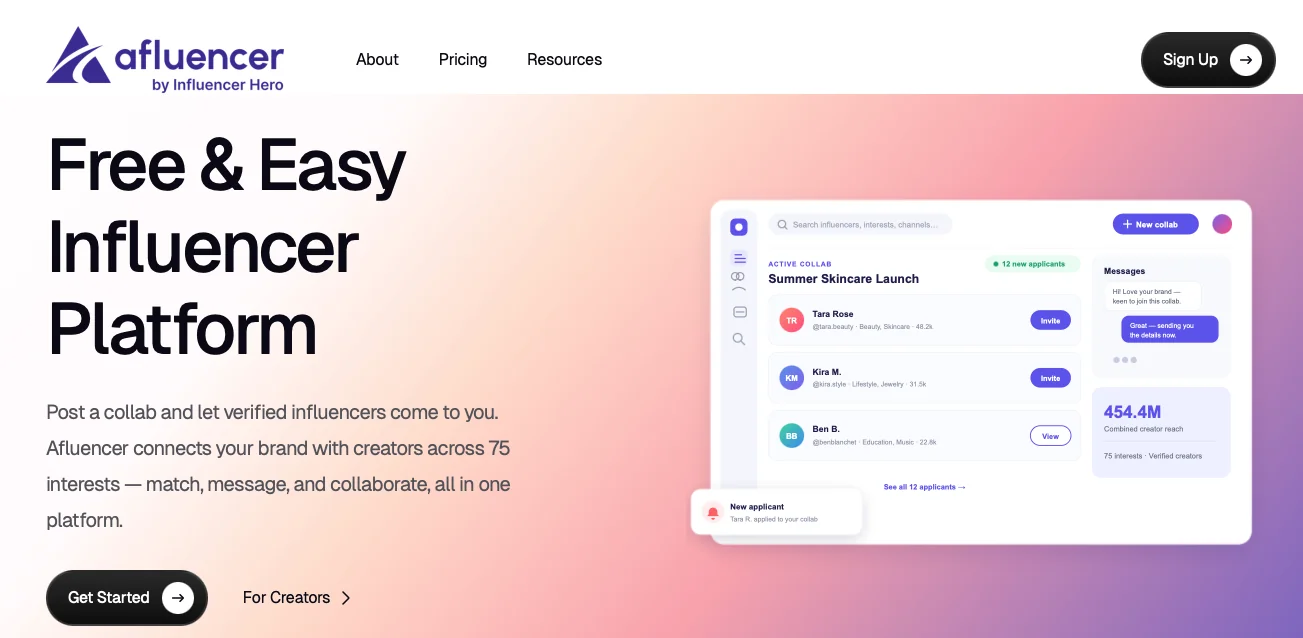
Afluencer connects Shopify brands with a network of 24,000+ verified influencers and creators across every major social platform. It's the easiest place to start if you want creators to come to you.
Key Features:
- Multi-platform support (TikTok, Instagram, YouTube, Facebook, Twitter)
- Demographic filtering by location and audience interests
- In-app messaging so every conversation lives in one place
- The "Collab" feature, where you post your requirements and creators apply
- Newsletter features that put your brand in front of thousands of influencers
- Engagement and performance metrics
Pricing: Plans start at $49/month, with a free trial to test it first.
Why it stands out: Afluencer is an all-in-one starter tool that combines discovery, communication, and inbound opportunities. Whether you need to find skincare influencers or find supplement influencers, the filters get you to the right creators fast.
2. Influencer Hero
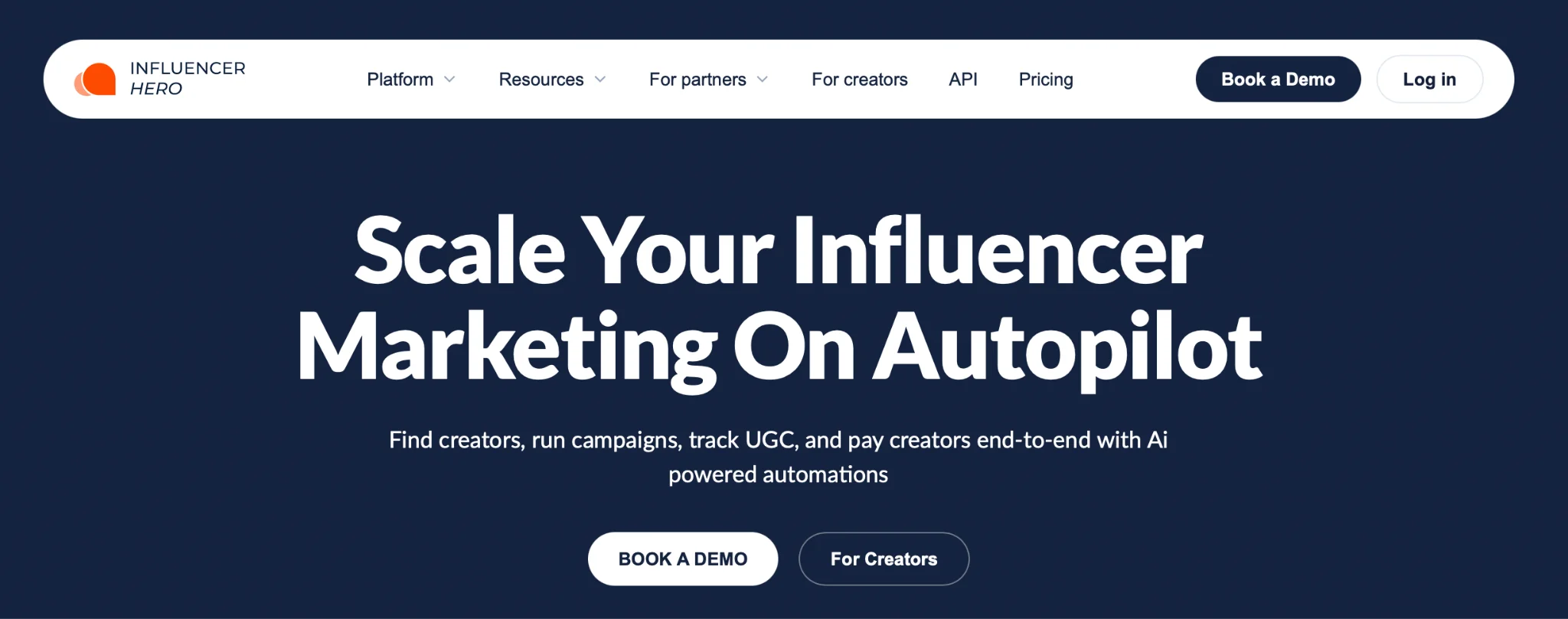
Influencer Hero is built for brands that have outgrown one-off collabs and want to run influencer marketing at scale. Where Afluencer helps you find creators and launch collabs, Influencer Hero manages the entire program end to end. It's an all-in-one, AI-powered platform used by 1,200+ brands and 100+ agencies.
Key Features:
- A 450M+ creator database with AI content search and filters for location, followers, engagement, and brand affinity
- Bulk personalized outreach across email, Instagram DM, TikTok DM, and WhatsApp, with automated follow-ups
- A built-in influencer CRM with campaign workflows
- Automated gifting and product seeding with delivery tracking
- Affiliate tracking, discount codes, and coupon-leakage detection with auto-rotation
- Influencer payments at record-low fees (0.5% on batch payouts) across 12+ currencies
- A UGC library plus usage-rights management for paid ads
- Real-time analytics for ROI, conversions, EMV, and gifting COGS
- 45+ integrations, including Shopify, Klaviyo, and Stripe
Best for: D2C brands and agencies scaling past a handful of creators who want discovery, outreach, payments, and reporting in one place, with a team that can run campaigns for them.
Pricing: Custom, based on your needs. Book a demo with Influencer Hero to see it in action.
3. UpPromote
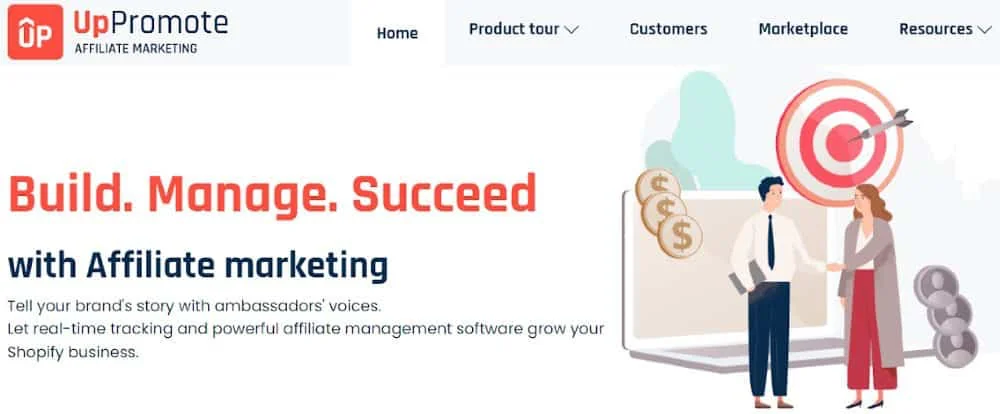
UpPromote turns your existing customers into brand advocates through affiliate marketing. It's less about discovering new influencers and more about mobilizing the fans you already have.
Key Features:
- Affiliate link creation and campaign customization
- Email and chat communication with affiliates
- Automatic coupon code generation
- Auto-tier commissions and auto-discounts
- Analytics and reporting dashboards
- Referral tracking metrics
Worth noting: It's not a full influencer discovery platform. Its strength is converting customers into advocates, not sourcing new creators.
4. ReferralCandy
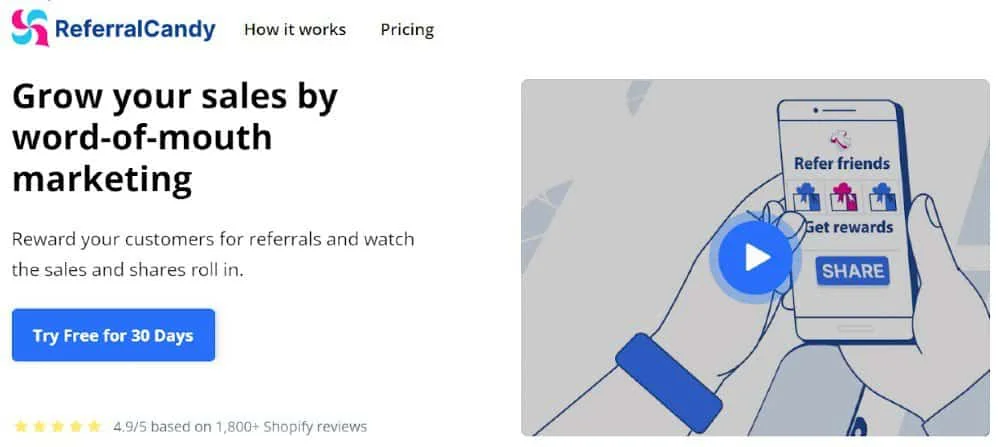
ReferralCandy focuses on customer referrals, turning happy buyers into a word-of-mouth engine with automated program management.
Key Features:
- Automated referral invitations sent post-purchase
- Multiple reward options, including store discounts, cash, and custom gifts
- Performance insights and key metrics
- Suspicious-transaction detection and fraud prevention
- Referral traffic and revenue tracking
5. Linkr
Linkr helps you reach niche influencers and creators with solid filtering and performance metrics.
Key Features:
- An influencer pool with filtering capabilities
- In-app chat for creator communication
- Flexible compensation models: sales commission, barter deals, bidding, and performance-based rewards
Worth noting: The creator pool is smaller than some competitors, so niche coverage can be hit or miss.
6. Refersion
Refersion manages the full influencer campaign lifecycle, from planning through performance analysis.
Key Features:
- Multi-format content planning (reels, posts, stories)
- Campaign series creation and A/B testing
- Conversion tracking across multiple simultaneous collaborations
- Campaign performance analytics
- Influencer payment processing
- ROI measurement by content format
7. Gatsby
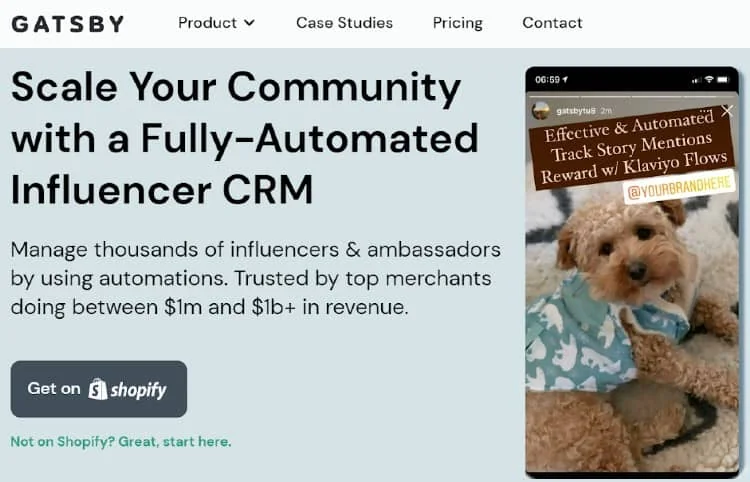
Gatsby turns community members into brand ambassadors, with a strong focus on incentivizing user-generated content.
Key Features:
- Discount codes for customers with 1,000+ followers who publish UGC
- Klaviyo automation integration
- Third-party integrations (LoyaltyLion, Attentive, Stamped)
- Instagram and TikTok handle collection
- Social audience insights
Best use case: Referral marketing and community ambassador programs.
How to Select the Best Shopify Influencer Marketing App for Your Brand
1. Define Your Marketing Goals
Get clear on your target platforms, expected KPIs, how you'll measure ROI, and the influencer types you want before you pick a tool. The goal shapes the app.
2. Assess Your Internal Capabilities
Map your existing resources, team structure, and skill gaps. A small team with no time for manual outreach needs more automation than a brand with a dedicated influencer manager.
3. Evaluate Platform Specialization
Make sure a platform actually hosts creators in your niche. If you're a wellness brand, you don't want a tool built for the beverage space. The same logic applies whether you need to find skincare influencers or find supplement influencers.
4. Review Relationship Management Tools
Look at the communication features and the backend automation for contracts, payments, and tracking, plus how well it integrates with your stack. Our roundup of the best influencer CRMs for Shopify brands breaks these down in detail.
5. Prioritize Usability
Pick a platform your whole team can actually use. A steep learning curve kills momentum before your first campaign goes live.
Increase Your ROI With Shopify Influencer Marketing Apps
Traditional ad ROI keeps sliding while influencer marketing keeps growing. The right app cuts the time you spend on discovery and outreach so more of your budget goes to results, not busywork.
Where you start depends on where your brand is. If you're just getting going, Afluencer is the easiest on-ramp: post a Collab, get creators applying, and run partnerships starting at $49/month.
When you're ready to scale to hundreds of creators and want outreach, payments, and analytics handled in one place, you can explore the other premium plans.
Ready to start today? Install the Afluencer app for Shopify and kick off your free trial.
Frequently Asked Questions
<details class="ih-faq"><summary>How much do Shopify influencer apps cost?</summary><div class="ih-faq-a">It varies by platform and features, but most apps are far cheaper than hiring an agency. Many start under $100/month with tiered plans, and some, like Afluencer, start at $49/month. Full-scale platforms like Influencer Hero use custom pricing based on your program's size.</div></details><details class="ih-faq"><summary>Are influencer apps worth it for small stores and startups?</summary><div class="ih-faq-a">Yes. Most apps scale to any business size, including micro-influencer partnerships and customer-to-advocate programs that work on tight budgets. A tool like Afluencer lets a small brand start running collabs without a big upfront spend.</div></details><details class="ih-faq"><summary>What's the difference between Afluencer and Influencer Hero?</summary><div class="ih-faq-a">Afluencer is the collab marketplace where brands and creators find each other and run partnerships directly, which makes it ideal when you're getting started. Influencer Hero, is the all-in-one platform for scaling campaigns end to end, including outreach, payments, and analytics. Start on Afluencer, scale on Influencer Hero.</div></details><details class="ih-faq"><summary>What metrics should I track for influencer campaigns?</summary><div class="ih-faq-a">Watch engagement rates, conversion rates, ROI, and brand loyalty over time. Most apps include built-in analytics, and platforms like Influencer Hero add deeper metrics like earned media value and gifting COGS so you can see true campaign profitability.</div></details><details class="ih-faq"><summary>Do influencers prefer working directly with brands?</summary><div class="ih-faq-a">Yes. More than 68% of influencers favor collaborating directly with brands over going through agencies, mainly because of faster payments, better communication, and stronger long-term relationships. Apps that enable direct messaging make those partnerships easier to build.</div></details><script type="application/ld+json">{"@context":"https://schema.org","@type":"FAQPage","mainEntity":[{"@type":"Question","name":"How much do Shopify influencer apps cost?","acceptedAnswer":{"@type":"Answer","text":"It varies by platform and features, but most apps are far cheaper than hiring an agency. Many start under $100/month with tiered plans, and some, like Afluencer, start at $49/month. Full-scale platforms like Influencer Hero use custom pricing based on your program's size."}},{"@type":"Question","name":"Are influencer apps worth it for small stores and startups?","acceptedAnswer":{"@type":"Answer","text":"Yes. Most apps scale to any business size, including micro-influencer partnerships and customer-to-advocate programs that work on tight budgets. A tool like Afluencer lets a small brand start running collabs without a big upfront spend."}},{"@type":"Question","name":"What's the difference between Afluencer and Influencer Hero?","acceptedAnswer":{"@type":"Answer","text":"Afluencer is the collab marketplace where brands and creators find each other and run partnerships directly, which makes it ideal when you're getting started. Influencer Hero, is the all-in-one platform for scaling campaigns end to end, including outreach, payments, and analytics. Start on Afluencer, scale on Influencer Hero."}},{"@type":"Question","name":"What metrics should I track for influencer campaigns?","acceptedAnswer":{"@type":"Answer","text":"Watch engagement rates, conversion rates, ROI, and brand loyalty over time. Most apps include built-in analytics, and platforms like Influencer Hero add deeper metrics like earned media value and gifting COGS so you can see true campaign profitability."}},{"@type":"Question","name":"Do influencers prefer working directly with brands?","acceptedAnswer":{"@type":"Answer","text":"Yes. More than 68% of influencers favor collaborating directly with brands over going through agencies, mainly because of faster payments, better communication, and stronger long-term relationships. Apps that enable direct messaging make those partnerships easier to build."}}]}</script>