.svg)

- Influencer Marketing Mistakes #1: Overpaying for Vanity Metrics
- Mistake #2: Choosing Influencers with Fake Followers
- Mistake #3: No Contracts or Unclear Deliverables
- Mistake #4: Ignoring Engagement Quality
- Influencer Marketing Mistakes #5: Picking the Wrong Niche Fit
- Mistake #6: Measuring Success with Likes Only
- Mistake #7: Failing to Repurpose Influencer Content
- Avoiding Influencer Marketing Mistakes with AI
When you’re new to influencer marketing, there’s a lot to learn, am I right?! From picking the right creators to setting up campaigns, it can feel like you’re figuring it out as you go. And that’s okay, every brand starts somewhere.
Along the way, though, some common influencer marketing mistakes can sneak in. They’re easy to make, and they can quietly eat into your budget or slow down your results.
That’s why we’ve put together this guide. You’ll find seven of the most common mistakes brands run into, plus simple ways to avoid them. And here’s the best part: with AI tools like CreatorGPT, fixing these mistakes has never been easier.
So if you’re ready to skip the trial-and-error and build influencer campaigns with confidence, let’s dive in.
Influencer Marketing Mistakes #1: Overpaying for Vanity Metrics
It’s tempting to think big numbers mean big results. Followers in the hundreds of thousands. Posts that rack up thousands of likes. On the surface, it looks impressive.
But here’s the catch: those numbers don’t always translate into sales or sign-ups. These are called vanity metrics. They can make an influencer look more valuable than they really are. Paying too much based on surface-level stats is one of the most common influencer marketing mistakes brands make.
Instead, focus on the metrics that matter. Look at engagement rates, average comments per post, or clicks that actually drive traffic.
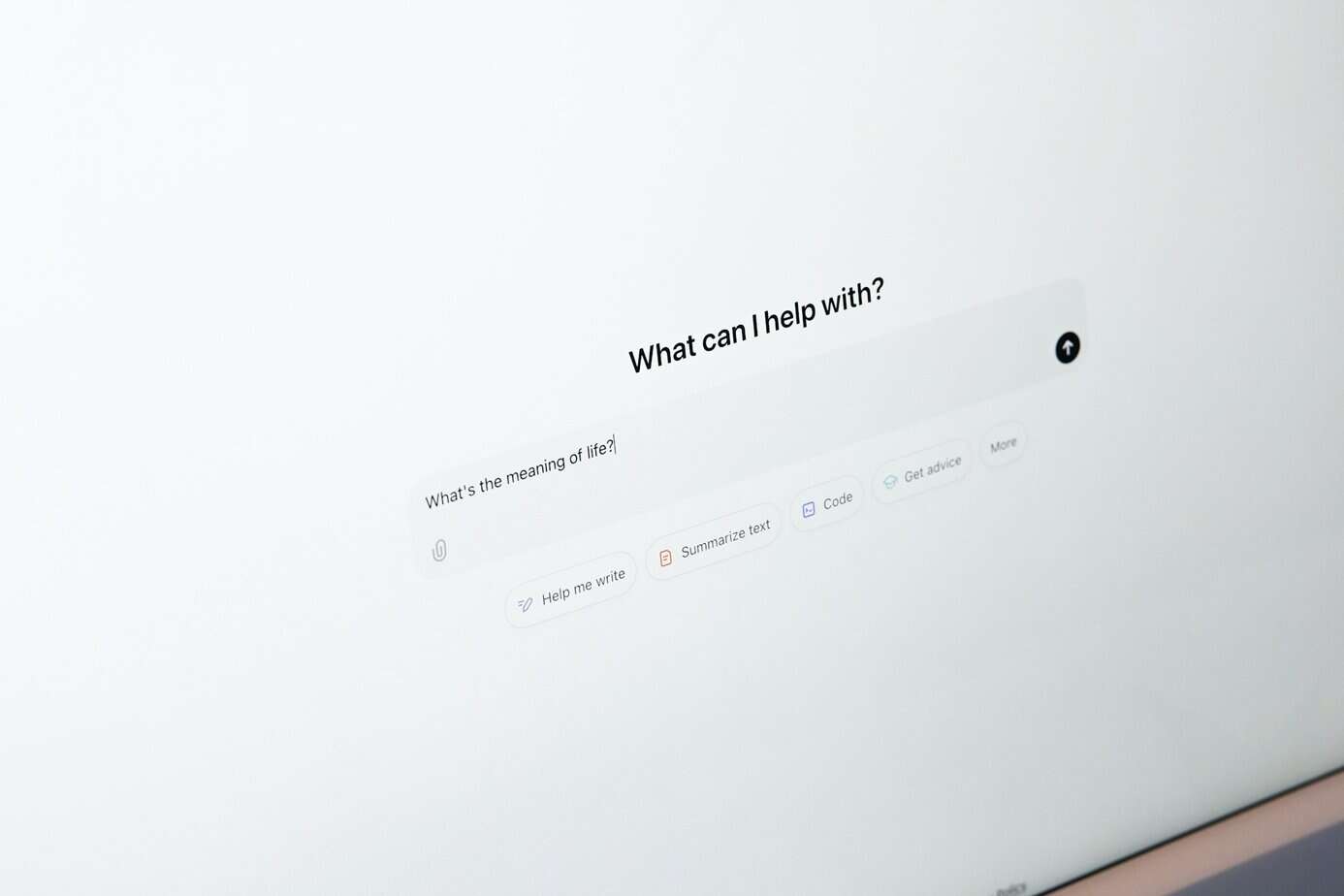
This is where CreatorGPT can help. As an AI tool, it benchmarks average engagement for your niche. That way, you can see if an influencer’s numbers are worth the price. No more guessing.
Mistake #2: Choosing Influencers with Fake Followers
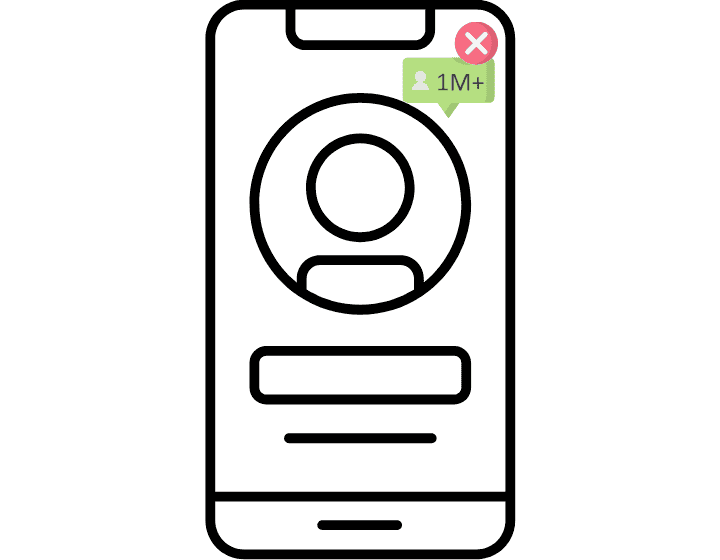
Not every follower is a real fan. Some accounts inflate their numbers with bots or inactive profiles. On the outside, it looks like they have influence. But when you launch a campaign, the results fall flat.
This is one of those influencer marketing mistakes that’s easy to miss. A creator might look perfect for your brand, but if their audience isn’t genuine, your message won’t reach real people. And that means wasted time and money.
Spotting fake followers on your own can be tricky. You’d need to analyze engagement ratios, comment quality, and sudden spikes in growth. Most small businesses don’t have the tools—or the hours—to do that.
CreatorGPT acts as a smart filter. By checking engagement patterns and comparing them against niche benchmarks, it can flag red flags before you commit.
Mistake #3: No Contracts or Unclear Deliverables
You’ve found an influencer you like. Then things get fuzzy. When should they post? How many stories are included? Without clear terms, confusion creeps in fast.
When it comes to influencer marketing mistakes, this one can cause real frustration. The influencer may feel they’ve delivered what you asked for, while you feel short-changed. Unfortunately, there’s little you can do without an agreement in place.
A simple contract solves this. It doesn’t have to be complicated. Just outline what’s expected—content type, posting dates, number of revisions, and whether you can repurpose the content.
CreatorGPT can make this step easier. Ask it for sample contract terms, and you’ll have a clear starting point. That way, both you and the influencer know exactly what’s expected. No confusion. Just smooth collaboration.
Mistake #4: Ignoring Engagement Quality
Not all engagement is created equal. A post can have hundreds of likes, but the comments may be generic—things like “Nice pic!” that don’t show genuine interest.
If an influencer’s audience isn’t truly connecting, your message won’t stick.
So how do you spot quality engagement? Look for meaningful comments, shares, and saves. These actions show an audience is paying attention.
CreatorGPT can help here too. It benchmarks average engagement quality across niches. That way, you can see whether an influencer’s numbers are strong or just surface-level. With this insight, you’ll invest in creators whose audiences are genuinely engaged—and more likely to convert.
Influencer Marketing Mistakes #5: Picking the Wrong Niche Fit
An influencer can look amazing on paper. Big following. Strong content. High engagement. But if they don’t speak to your audience, it won’t matter.
This one trips up many new brands. They choose reach over relevance. For example, a fitness brand might partner with a fashion influencer. The posts might get attention, but the audience isn’t there to buy protein shakes or workout gear.
Relevance always beats numbers. The right niche fit means your message reaches people who are already interested in your product.
CreatorGPT makes this easier. As an AI tool, it filters influencers by niche, demographics, and location. So instead of guessing, you’ll see matches who actually fit your brand. That way, every Collab starts with alignment—and leads to better results.
Mistake #6: Measuring Success with Likes Only
Likes are easy to track, but they don’t tell the whole story. A post with thousands of hearts might look great, yet bring in no clicks or sales.
Plenty of new brands fall into this influencer marketing mistake. When you measure success by likes alone, you miss the metrics that actually matter—conversions, CTR, sign-ups, or revenue.
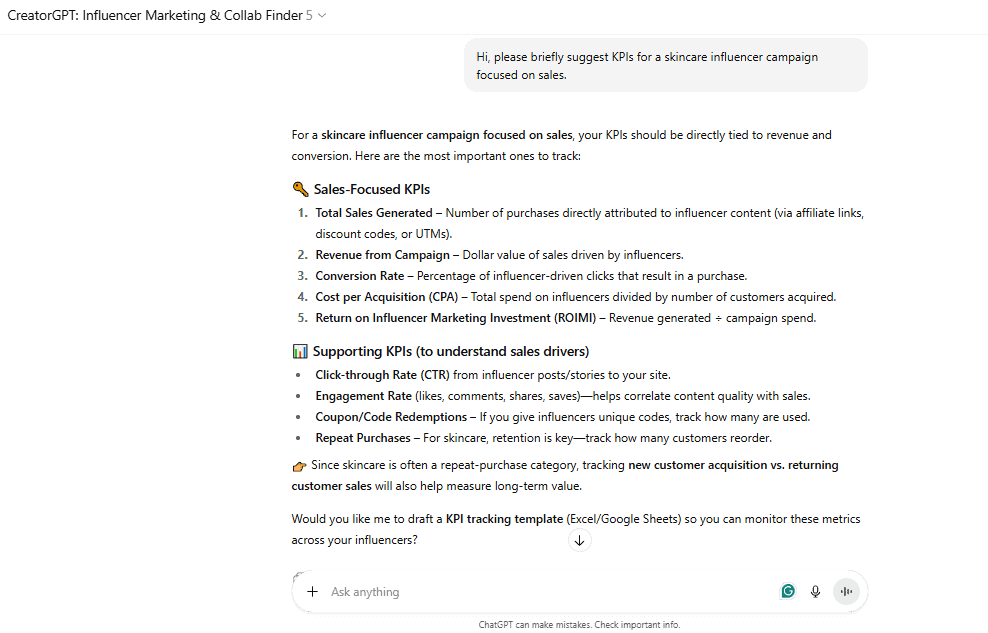
CreatorGPT helps by suggesting KPIs based on your campaign goals. Want sales? Track purchases. Want awareness? Focus on reach and shares. With the right metrics, you’ll see the real value of your campaigns—not just the double taps.
Let’s take a look at what that actually looks like:
Mistake #7: Failing to Repurpose Influencer Content
Influencer posts don’t have to end after one campaign.
Repurposing saves time and stretches your budget. A single post can become an ad, a newsletter feature, or even part of your website.
CreatorGPT can suggest ways to repurpose content so it works harder for you. Ask how to turn an Instagram reel into an email snippet or how to use UGC in ads. Suddenly, one collaboration can fuel multiple channels.
Avoiding Influencer Marketing Mistakes with AI
Every brand makes a few missteps when starting out. The good news? These influencer marketing mistakes are easy to avoid once you know what to look for.
With CreatorGPT, you don’t need to figure it all out alone. From spotting fake followers to suggesting deliverables, it helps you make smarter choices. Think of it as a second set of eyes—always ready to guide you toward better decisions.
So instead of wasting time or budget, you can run influencer campaigns without second-guessing.
Want to put it to the test? Ask CreatorGPT and see how simple it is to avoid these mistakes.
Frequently Asked Questions
<details class="ih-faq"><summary>How do you calculate engagement rate for influencers?</summary><div class="ih-faq-a">Engagement rate is calculated by dividing total engagements (likes, comments, shares, saves) by follower count, then multiplying by 100. Focus on meaningful interactions rather than vanity metrics. Tools like CreatorGPT benchmark average engagement rates for your niche, helping you identify if an influencer's numbers are genuinely strong or inflated.</div></details><details class="ih-faq"><summary>What should be included in an influencer contract?</summary><div class="ih-faq-a">A basic influencer contract should specify content type, posting dates, number of revisions allowed, usage rights for repurposing content, deliverables (posts, stories, etc.), and payment terms. Clear agreements prevent misunderstandings and protect both parties. CreatorGPT can provide sample contract terms as a starting point for your agreements.</div></details><details class="ih-faq"><summary>How can you detect fake followers on influencer accounts?</summary><div class="ih-faq-a">Detecting fake followers involves analyzing engagement ratios, comment quality, and sudden growth spikes. Look for generic comments, inactive profiles, and inconsistent engagement patterns. Manual analysis is time-consuming; AI tools like CreatorGPT flag suspicious engagement patterns by comparing them against niche benchmarks, saving you hours of research.</div></details><details class="ih-faq"><summary>What KPIs should you track for influencer marketing campaigns?</summary><div class="ih-faq-a">Choose KPIs based on your campaign goal. For sales campaigns, track conversions and revenue. For awareness, focus on reach and shares. For engagement, monitor clicks and sign-ups. Relying solely on likes misses actionable data. CreatorGPT suggests relevant KPIs aligned with your objectives, ensuring you measure what actually drives business results.</div></details><details class="ih-faq"><summary>How do you repurpose influencer content across multiple channels?</summary><div class="ih-faq-a">A single influencer post can become ads, newsletter features, website content, or social media snippets. An Instagram reel might become email content or TikTok material. UGC can be used in paid ads. CreatorGPT suggests repurposing strategies specific to your content, helping you maximize ROI from each collaboration across different marketing channels.</div></details>